Skip to content
Psychology Connections
  • Psychology
    • Personality Psychology
    • Relationships
    • Cognitive Psychology
    • Behavioral Psychology
    • Emotions
    • Social Psychology
    • Attachment Psychology
  • Quizzes & Tests
    • Personality Quizzes
    • Emotional Intelligence Tests
    • Psychology Tests
    • Relationship Quizzes
  • Books
    • Best Psychology Books
    • Book Reviews
    • Book Summaries
  • Dictionary
    • Concepts
    • Terms
    • Theories & Models
  • About
  • Contact

Cognitive Psychology

How mental shortcuts shape judgment — cognitive biases explained with research, in plain language.

Abstract diagram of a balance scale tipped by one small dark stone against several larger light stones, illustrating negativity bias

Negativity Bias: Why Bad News Sticks

Negativity bias is the tendency for negative events, information, and emotions to affect you more strongly than positive or neutral …

Read More →

Abstract diagram of a single glowing trait casting coloured light over surrounding traits, illustrating the halo effect in social judgment

The Halo Effect: How One Trait Colours Everything Else

The halo effect is what happens when one striking quality of a person colours your judgment of everything else about …
Read More →

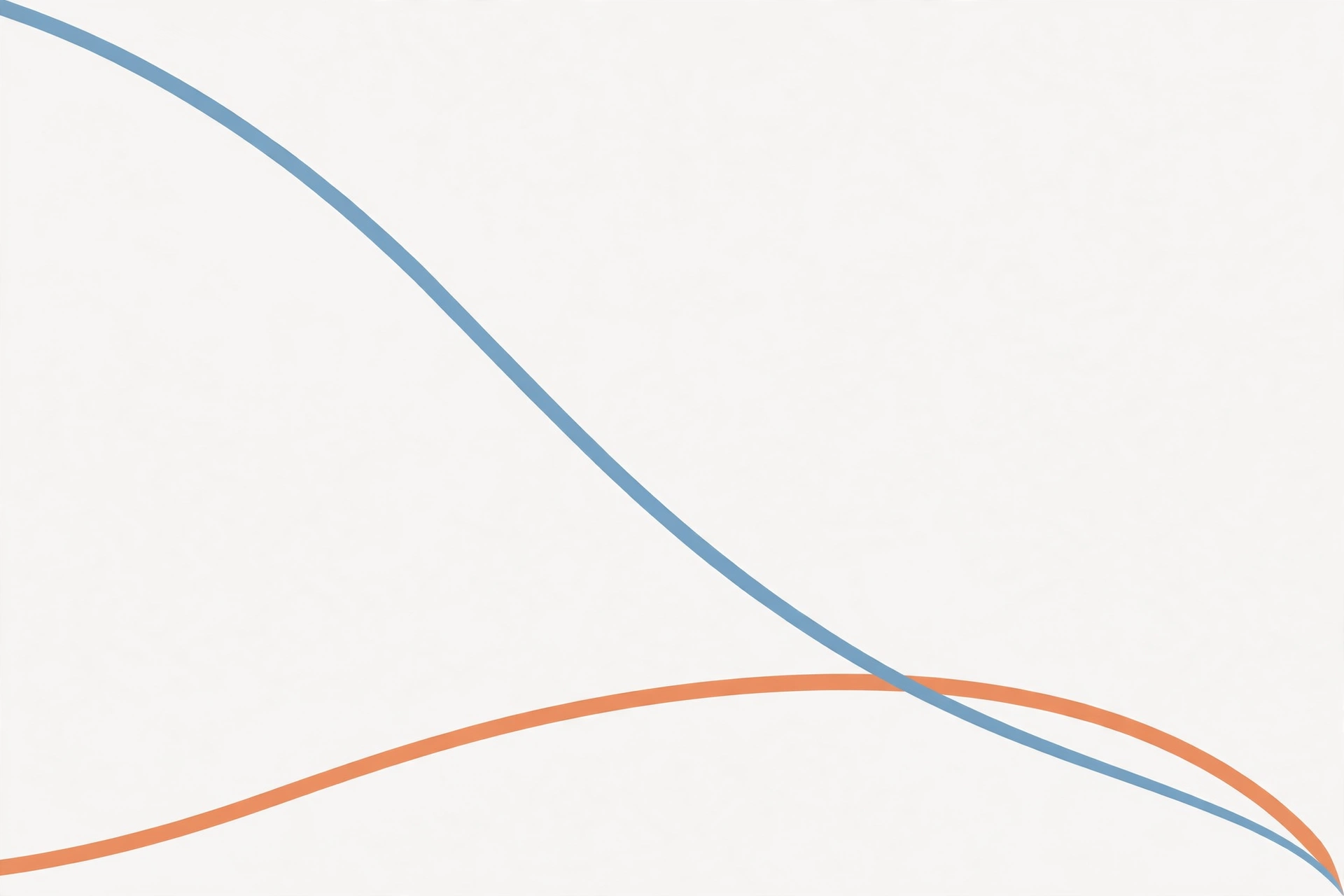
Abstract diagram showing a self-estimate curve starting high and gradually descending toward a slowly rising actual-ability line, illustrating the Dunning–Kruger effect

The Dunning–Kruger Effect: What It Really Means

The Dunning–Kruger effect is the pattern in which people with the least skill at a task tend to overestimate their …
Read More →

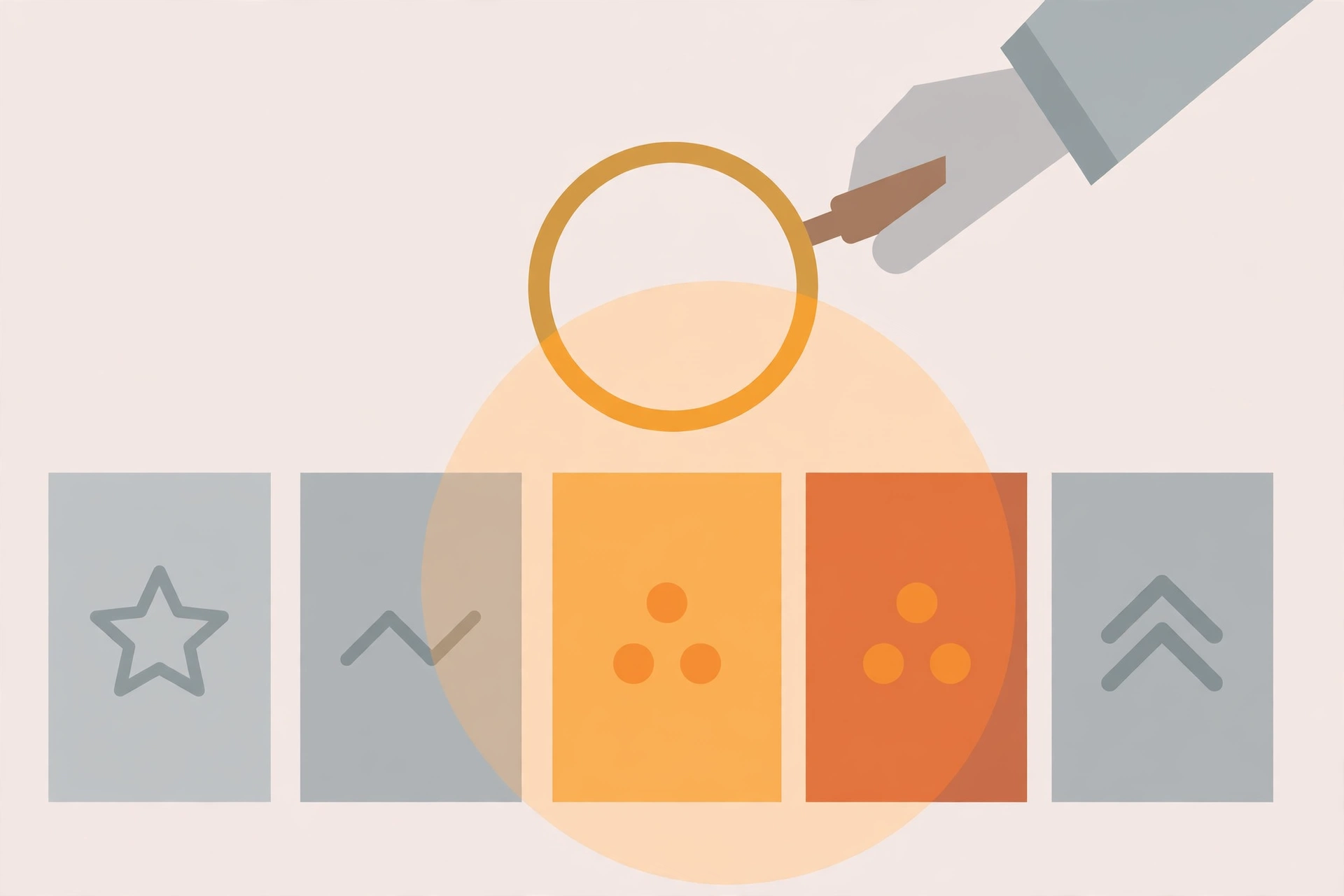
Abstract diagram of a magnifying glass highlighting only the evidence cards that match an existing belief, while other cards fade to grey, illustrating confirmation bias

Confirmation Bias: Why We See What We Already Believe

Confirmation bias is the tendency to search for, interpret, and remember information in a way that confirms what you already …
Read More →

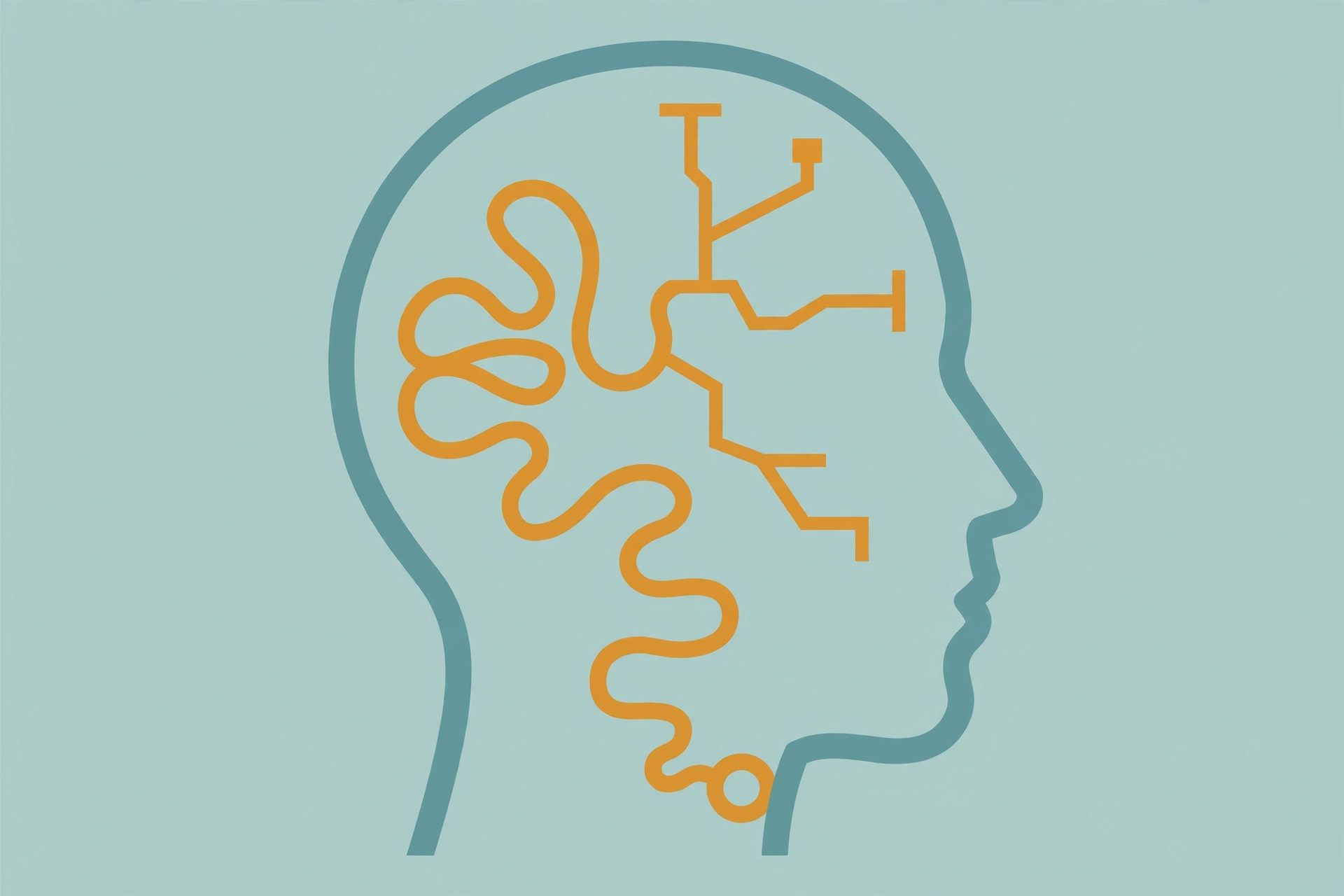
Abstract diagram of a human head with winding paths inside, showing mental shortcuts and dead ends that represent cognitive biases in decision-making

Cognitive Biases: How Your Mind Takes Shortcuts

A cognitive bias is a systematic, predictable error in thinking: your mind takes a shortcut, and the shortcut leads you …

Read More →

Recent Posts

  • Abstract diagram of a single figure standing apart from a crowd, illustrating the bystander effectBystander Effect
  • Abstract diagram of an anchor tied to a measuring scale, illustrating anchoringAnchoring
  • Abstract diagram of a lamp casting distorted wavy shadows of simple shapes, illustrating gaslightingGaslighting
  • Abstract diagram of a figure resting on flowing waves, illustrating flowFlow
  • Abstract diagram of a figure sitting inside an open enclosure beside an open path, illustrating learned helplessnessLearned Helplessness
  • Abstract diagram of a faint star outline becoming a bright solid star, illustrating primingPriming
  • About
  • Contact
  • Privacy Policy
  • Terms of Service
  • Disclaimer
© 2026 psychologyconnections All Rights Reserved.