
Understand People. Build a Better You.

EXPLORE TOPICS
The 6 Core Areas of Psychology

Quizzes, Books and a Psychology Dictionary


Discover Psychology Articles
Loneliness: What Psychology Knows
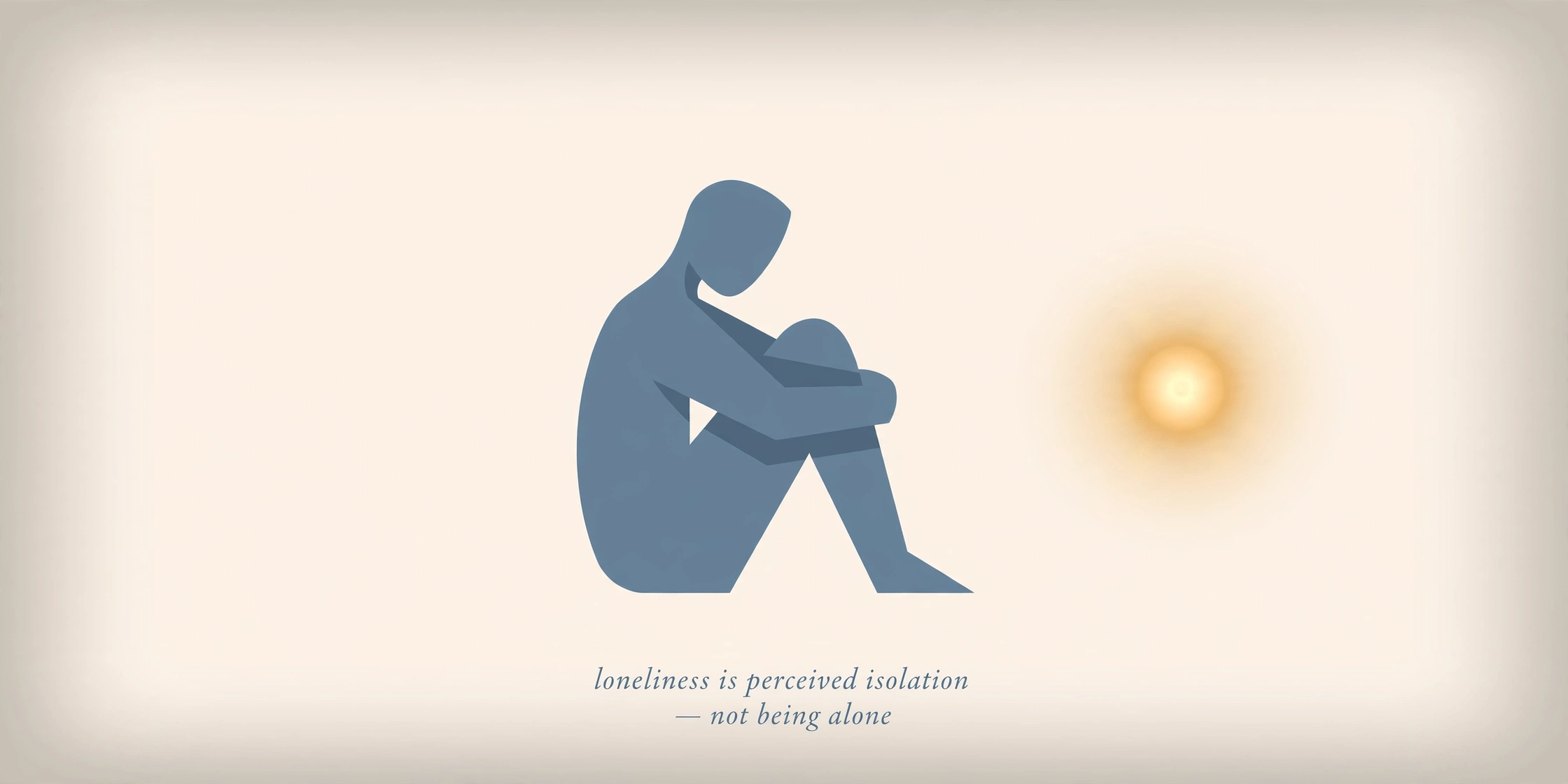
Loneliness is one of the most misunderstood human experiences. It is not the same as being alone — you can feel profoundly lonely in a crowded room, and perfectly content on a solitary walk. Psychologists define loneliness as perceived social isolation: the distressing gap between the connection you want and the connection you feel you…
Can Your Personality Change? What Research Says
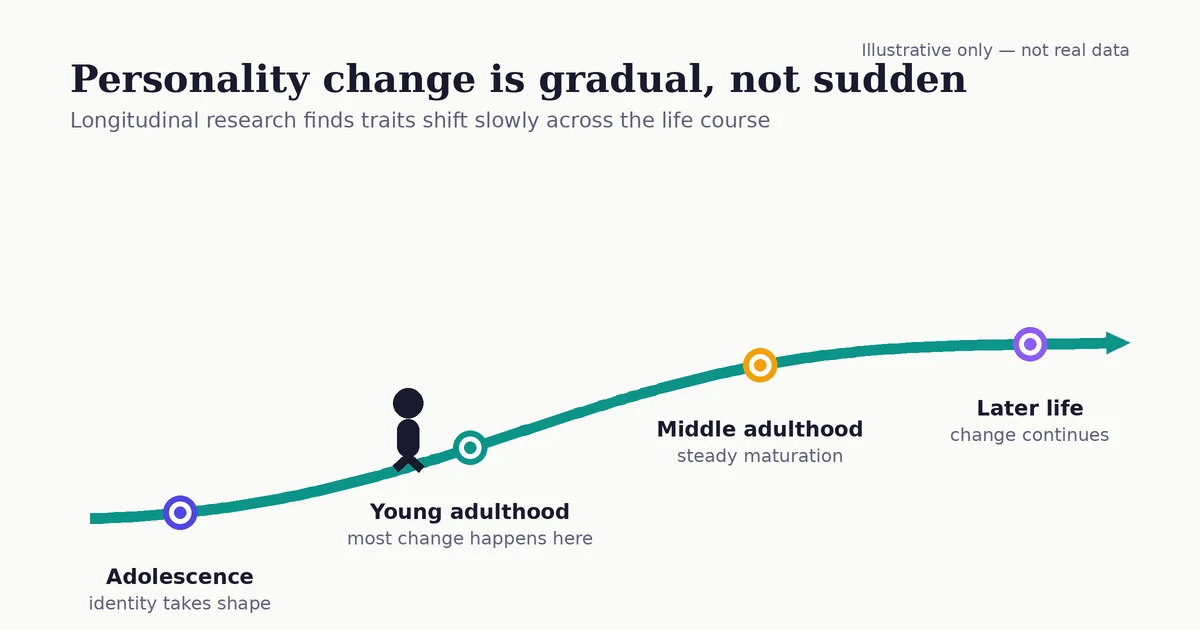
Yes — but slowly, and not in the dramatic way movies suggest. Decades of longitudinal research, which follows the same people for years and measures them repeatedly, shows that personality is both stable and changeable at the same time. That sounds like a contradiction until you learn the distinction researchers draw: your relative position compared…
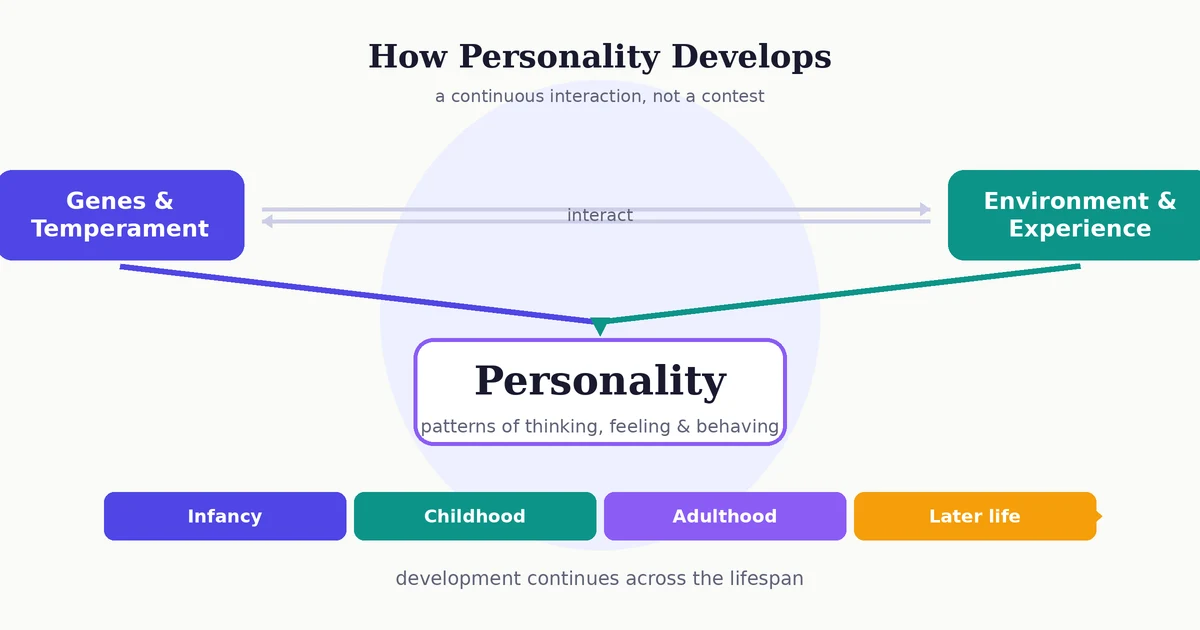
How Personality Develops: Nature, Nurture & Childhood
Your personality was not decided at birth — and it was not stamped onto you by your upbringing, either. It developed from a lifelong conversation between the two: the biological starting point you inherited (your genes and temperament) and everything you have experienced since (your family, relationships, culture, and the choices and accidents of life).…
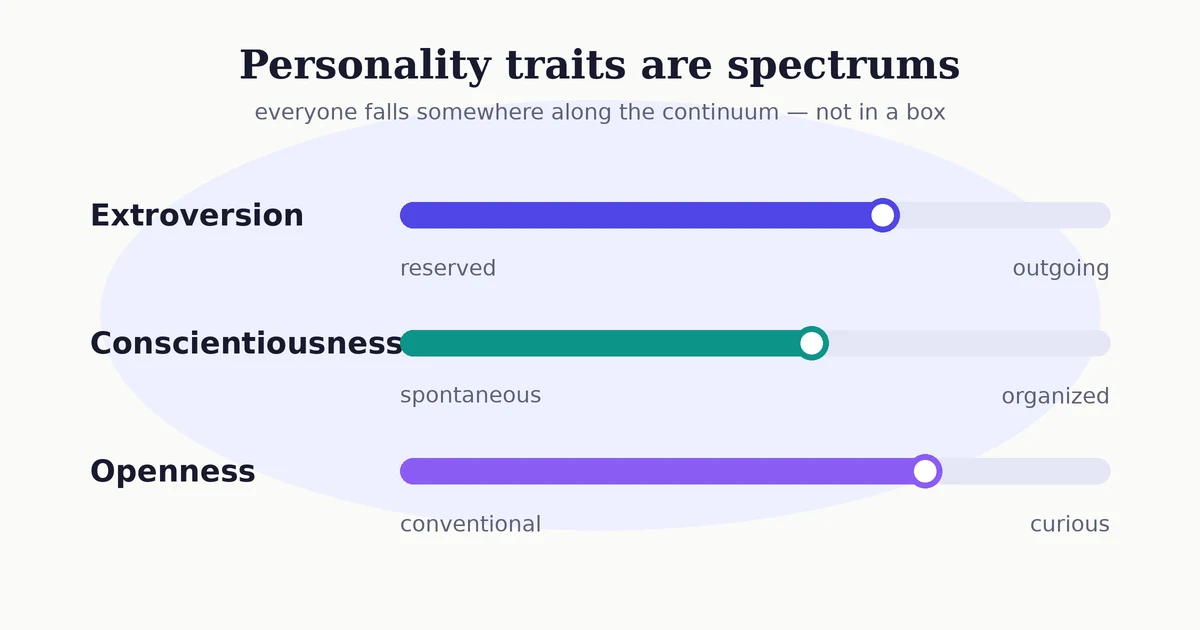
Personality Traits: Meaning, List & Examples
A personality trait is an enduring pattern in how a person typically thinks, feels, and behaves. It’s the reason your friend is always early, your coworker chats easily with strangers, and your sibling replays every criticism for days. Psychologists define personality itself as built from “long-standing traits and patterns that propel individuals to consistently think,…
Social Psychology: How Other People Shape Mind and Behavior
Social psychology is the study of how other people — real, imagined, or implied — shape what we think, feel, and do. Gordon Allport’s classic definition, published in 1954, put it this way: social psychology tries to understand and explain how the thoughts, feelings, and behavior of individuals are influenced by the actual, imagined, or…
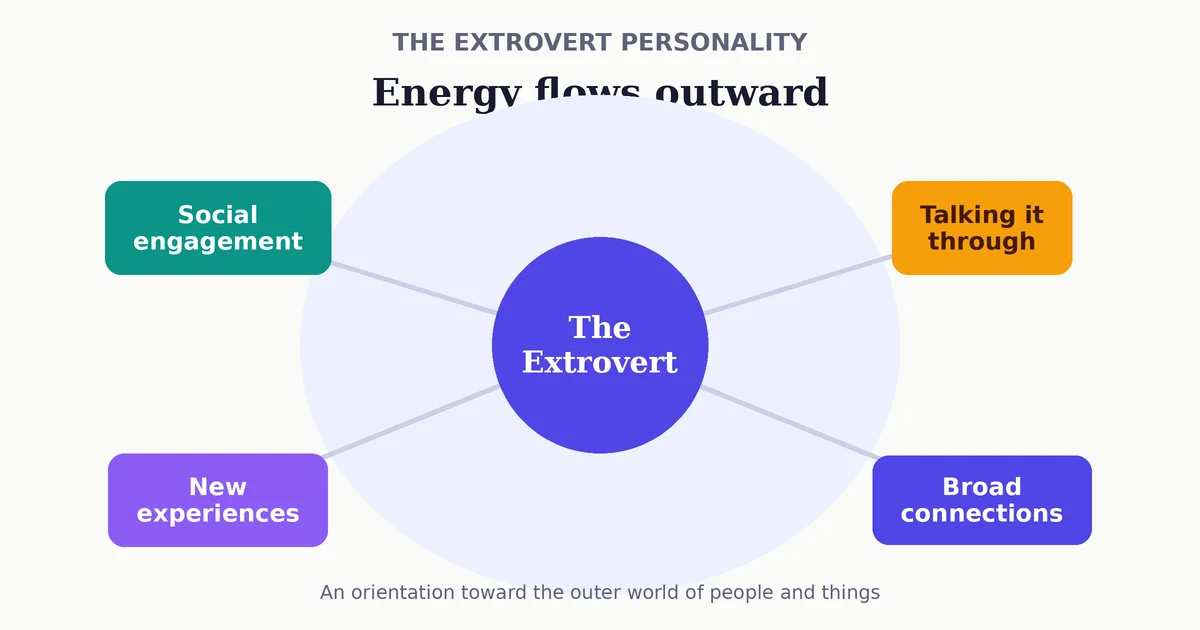
Extrovert Personality: Traits, Signs & Strengths
An extrovert is someone whose energy and attention naturally point outward — toward people, activities, conversation, and the buzz of the world around them. Social time doesn’t just entertain them; it genuinely charges them up. Where some people need quiet to recover from a busy day, the extrovert recovers by getting out into it. The…
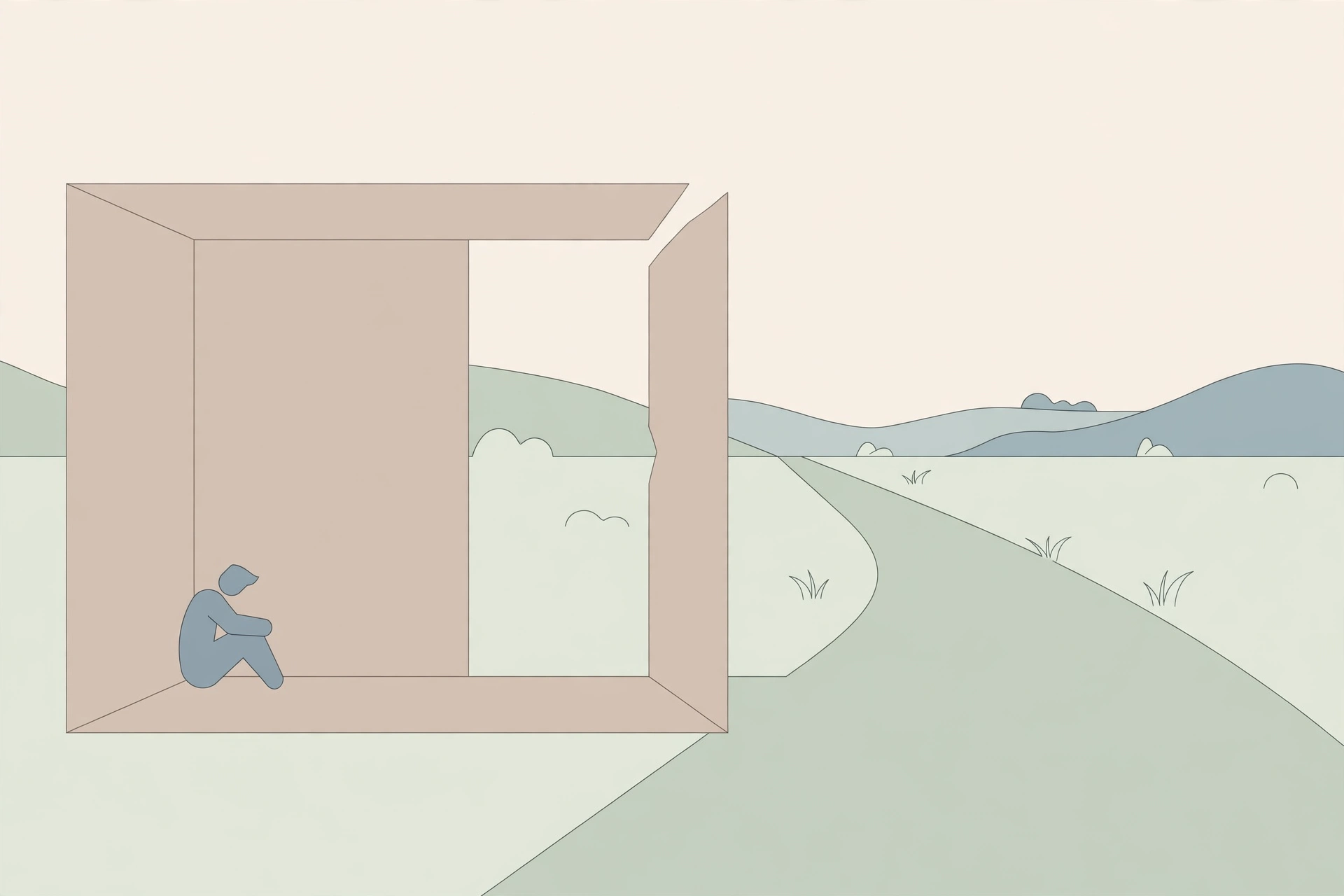
Learned Helplessness
Learned helplessness is a state in which a person or animal stops trying to escape or improve a bad situation after repeated experiences in which their actions made no difference. The concept comes from experiments by Martin Seligman and Steven Maier in 1967. It describes a learned pattern of passivity, not a character flaw, and…
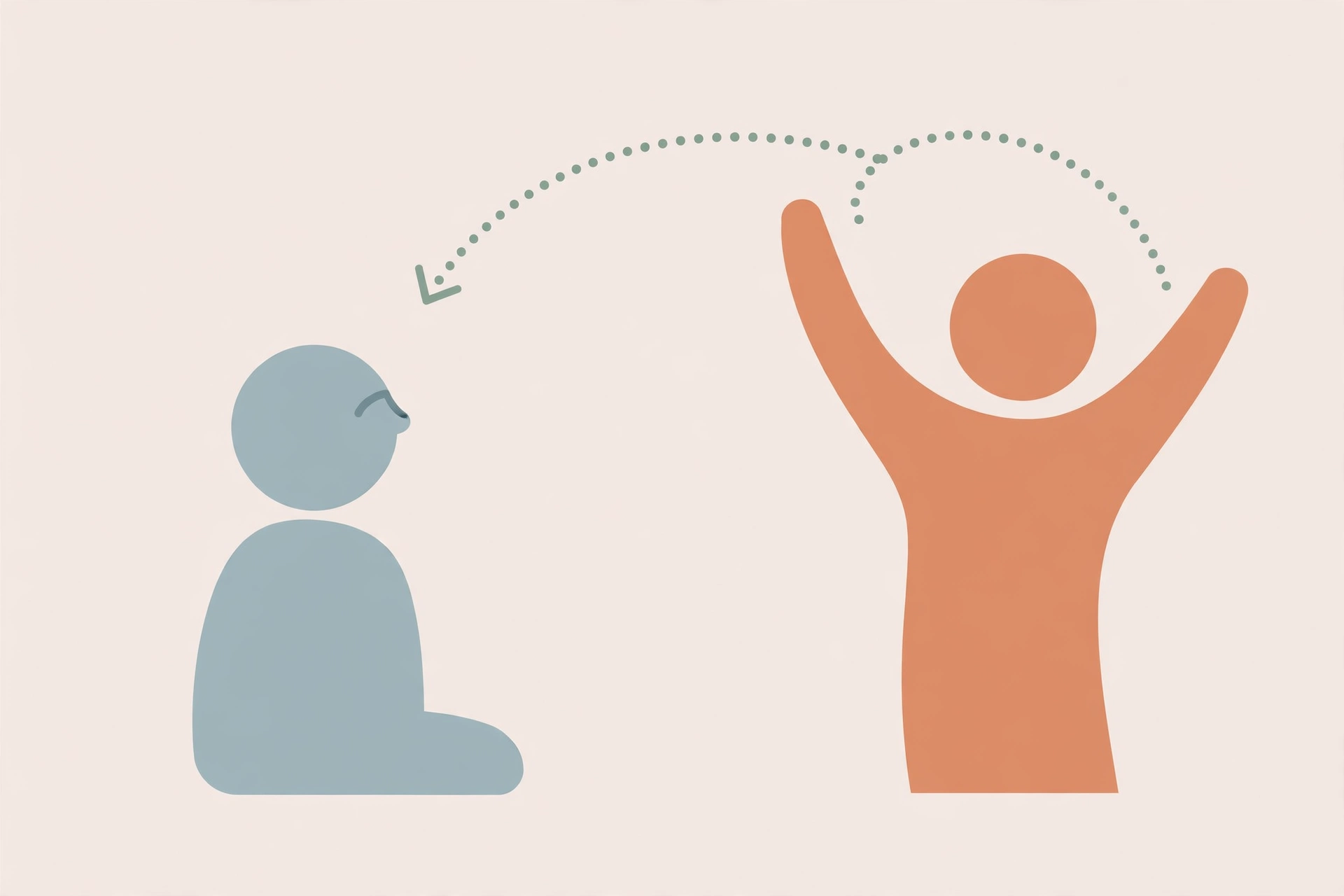
Observational Learning: How Watching Others Teaches Us
Observational learning is learning by watching: you pick up a behavior by seeing someone else perform it, without having to be rewarded or punished for it yourself. A child learns to tie shoes by watching a parent, a new employee learns office norms by watching colleagues, and a viewer can pick up phrases, gestures, and…
Get New Psychology Insights
What does it mean?
Look up any psychology term — plain-language definitions, no jargon walls.