Skip to content
Psychology Connections
  • Psychology
    • Personality Psychology
    • Relationships
    • Cognitive Psychology
    • Behavioral Psychology
    • Emotions
    • Social Psychology
    • Attachment Psychology
  • Quizzes & Tests
    • Personality Quizzes
    • Emotional Intelligence Tests
    • Psychology Tests
    • Relationship Quizzes
  • Books
    • Best Psychology Books
    • Book Reviews
    • Book Summaries
  • Dictionary
    • Concepts
    • Terms
    • Theories & Models
  • About
  • Contact

Waqar

Waqar holds a Master’s degree in Applied Psychology and works as an SEO content writer. He writes clear, research-informed content that helps readers understand psychology and related topics.
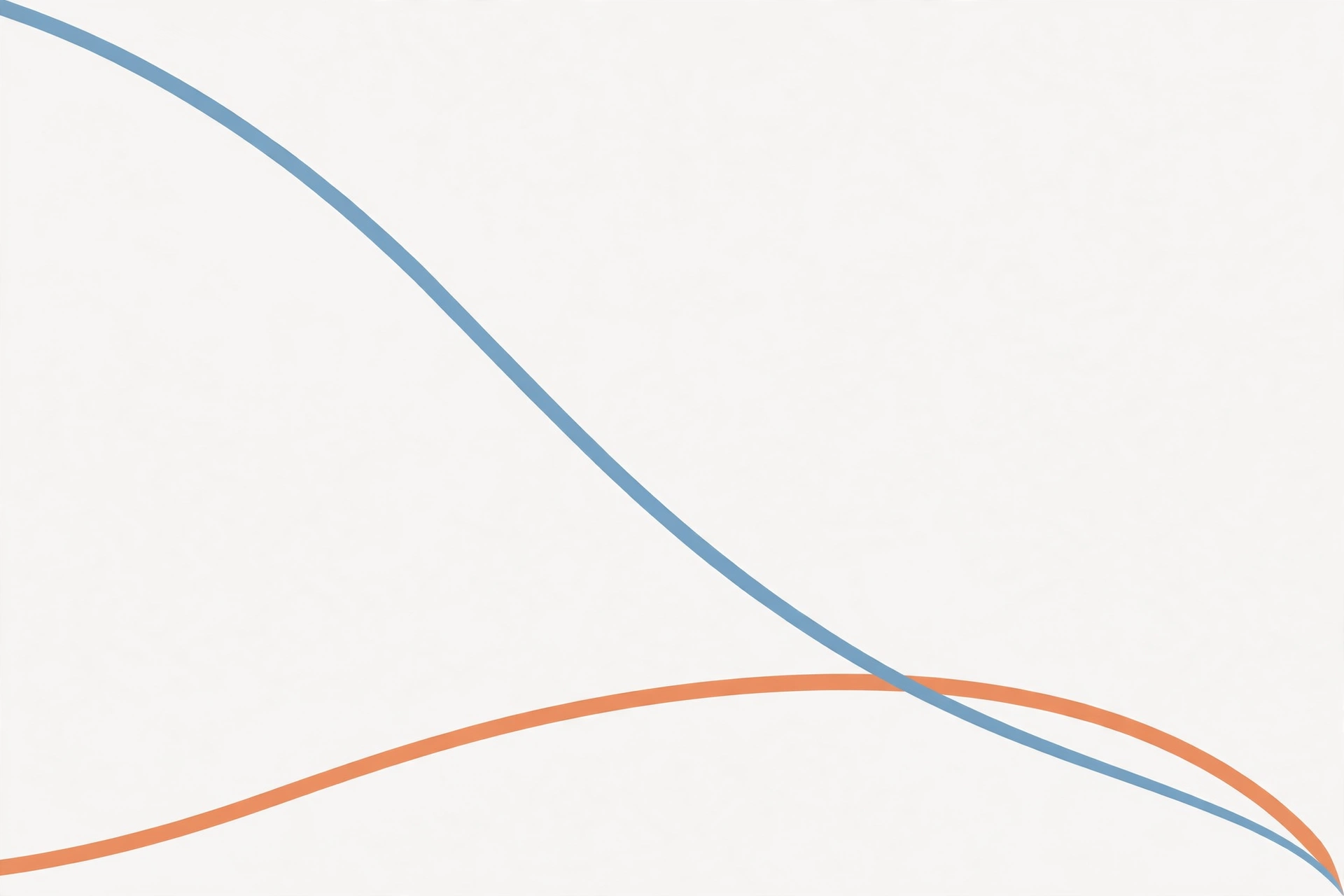
Abstract diagram showing a self-estimate curve starting high and gradually descending toward a slowly rising actual-ability line, illustrating the Dunning–Kruger effect

The Dunning–Kruger Effect: What It Really Means

The Dunning–Kruger effect is the pattern in which people with the least skill at a task tend to overestimate their …

Read More →

Abstract diagram of a magnifying glass highlighting only the evidence cards that match an existing belief, while other cards fade to grey, illustrating confirmation bias

Confirmation Bias: Why We See What We Already Believe

Confirmation bias is the tendency to search for, interpret, and remember information in a way that confirms what you already …
Read More →

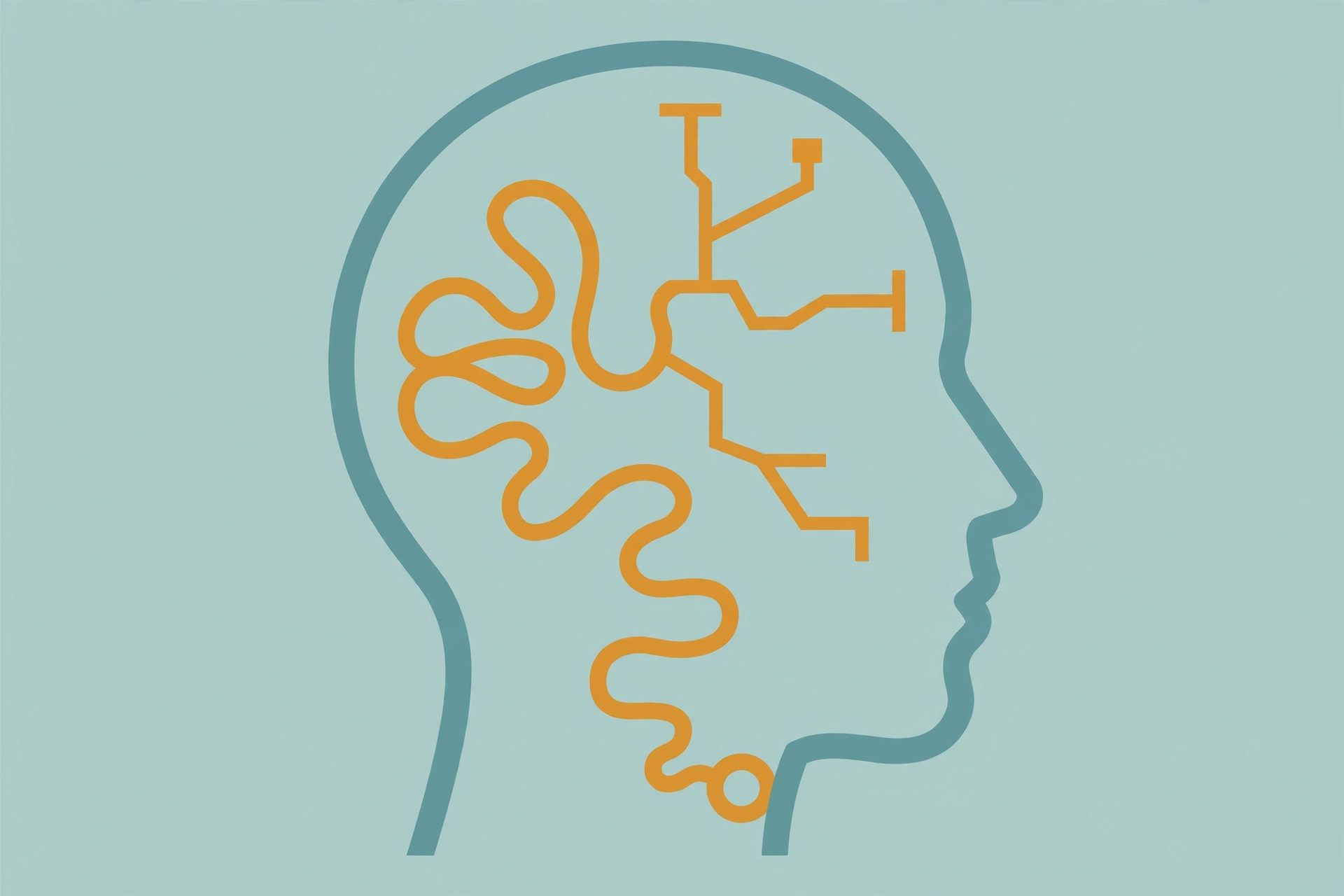
Abstract diagram of a human head with winding paths inside, showing mental shortcuts and dead ends that represent cognitive biases in decision-making

Cognitive Biases: How Your Mind Takes Shortcuts

A cognitive bias is a systematic, predictable error in thinking: your mind takes a shortcut, and the shortcut leads you …

Read More →

Abstract illustration of a silhouette with a bright glowing orb orbiting its head, representing the pull of limerence

Limerence vs. Love: What’s the Difference?

Limerence is psychologist Dorothy Tennov’s term for an involuntary state of intense romantic longing — obsessive, intrusive thoughts about one …
Read More →

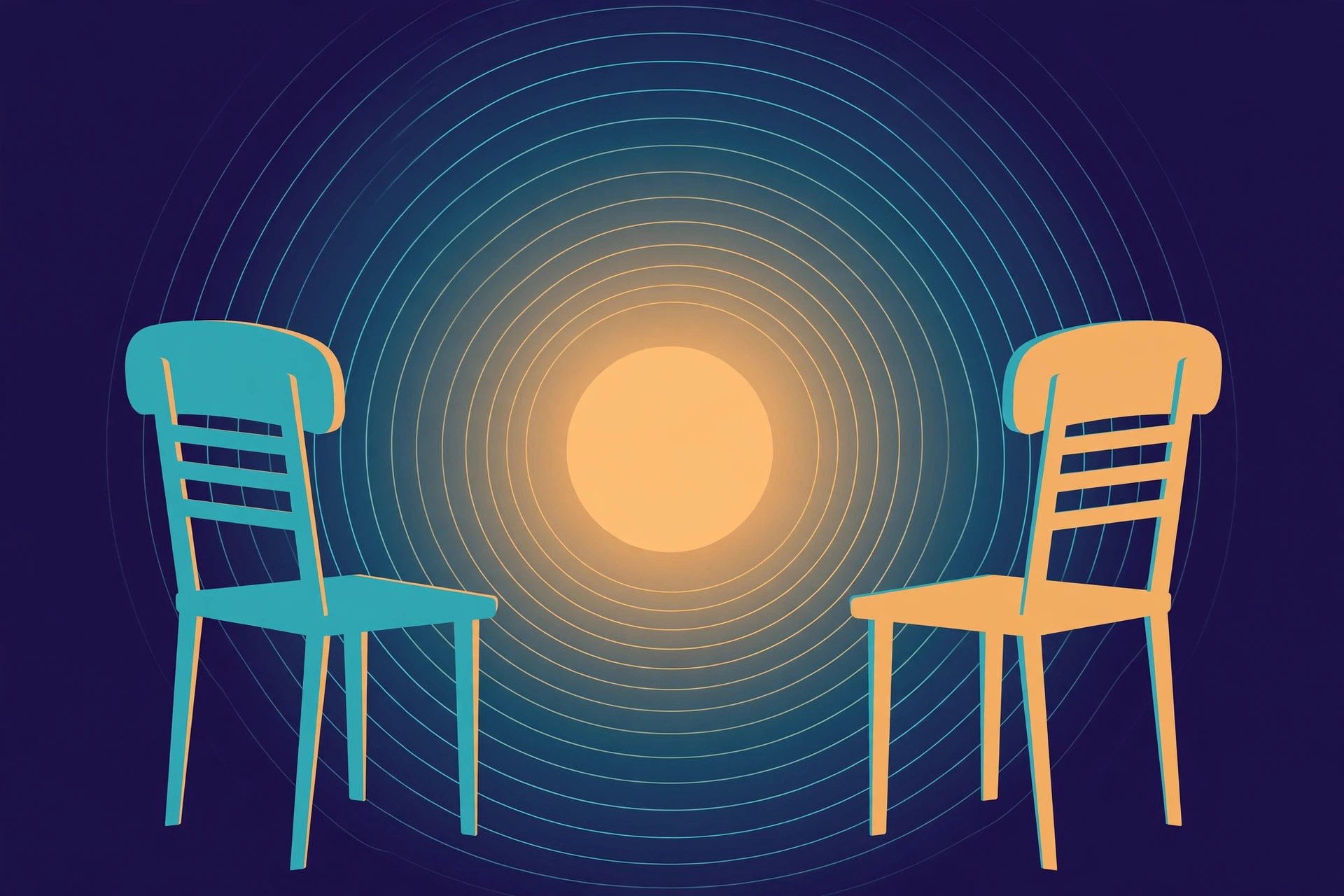
Abstract illustration of two chairs facing each other with a calm circle of light between them, representing couples therapy

Does Couples Therapy Work? What Research Finds

Yes — research finds that couples therapy produces real, moderate benefits for relationship distress on average, though effects vary and …

Read More →

Abstract illustration of a lone figure at a forked path beneath a dim sky, representing the decision to leave a relationship

When to Leave a Relationship: What Research Says About the Decision

No article, quiz, or study can tell you whether to leave your relationship — and you should be suspicious of …

Read More →

Abstract illustration of two silhouettes facing each other with a warm glowing orb between them, representing emotional intimacy

Emotional Intimacy: How Closeness Develops

Emotional intimacy is the felt sense of closeness between partners — the feeling of being genuinely known by another person, …

Read More →

Abstract illustration of two hands releasing a dark stone that dissolves into warm light, representing forgiveness in relationships

Forgiveness in Relationships: What Psychology Finds

Forgiveness in a relationship is best understood as a motivational change: when people forgive, they become less motivated to avoid …

Read More →

Abstract illustration of a silhouette considering a row of glowing orbs, representing weighing what people want in a partner

What People Want in a Partner: The Psychology of Mate Preferences

What do people look for in a romantic partner? Everyone has an answer, and the answers vary wildly — until …

Read More →

Abstract illustration of two figures on distant hilltops connected by a dotted glowing arc, representing long-distance relationships

Long-Distance Relationships: What Research Actually Finds

Can a relationship survive distance? Common wisdom says no — “out of sight, out of mind.” But psychologists who study …

Read More →

Older posts
Newer posts
← Previous Page1 … Page4 Page5 Page6 … Page10 Next →

Recent Posts

  • Abstract diagram of a single figure standing apart from a crowd, illustrating the bystander effectBystander Effect
  • Abstract diagram of an anchor tied to a measuring scale, illustrating anchoringAnchoring
  • Abstract diagram of a lamp casting distorted wavy shadows of simple shapes, illustrating gaslightingGaslighting
  • Abstract diagram of a figure resting on flowing waves, illustrating flowFlow
  • Abstract diagram of a figure sitting inside an open enclosure beside an open path, illustrating learned helplessnessLearned Helplessness
  • Abstract diagram of a faint star outline becoming a bright solid star, illustrating primingPriming
  • About
  • Contact
  • Privacy Policy
  • Terms of Service
  • Disclaimer
© 2026 psychologyconnections All Rights Reserved.