Emotions vs. Moods: What’s the Difference?
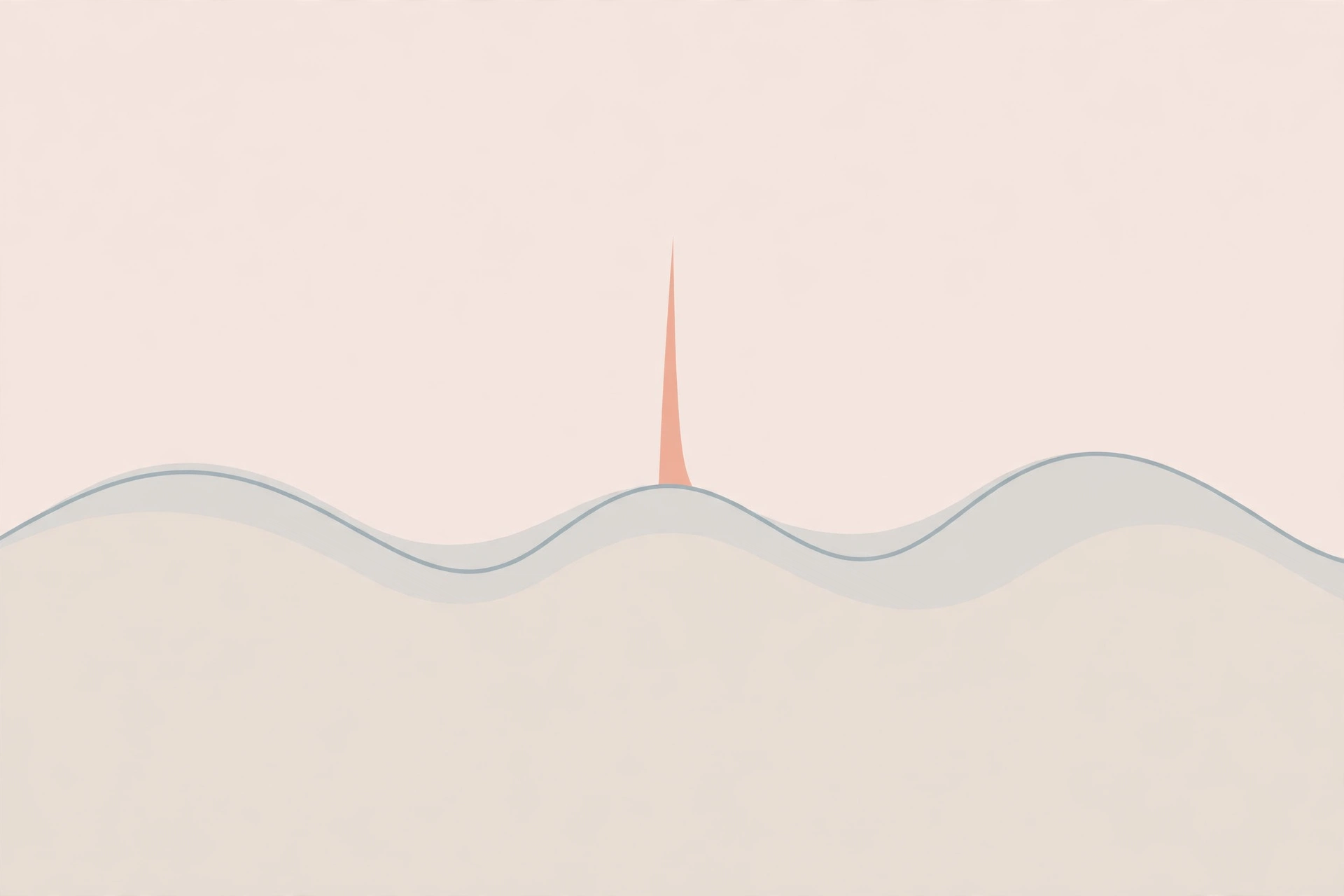
Emotions and moods are both feelings, but they are different kinds of feeling. An emotion is a brief, intense response …

 Waqar
Emotions and moods are both feelings, but they are different kinds of feeling. An emotion is a brief, intense response …

Emotion regulation is the set of processes by which people influence which emotions they have, when they have them, and …
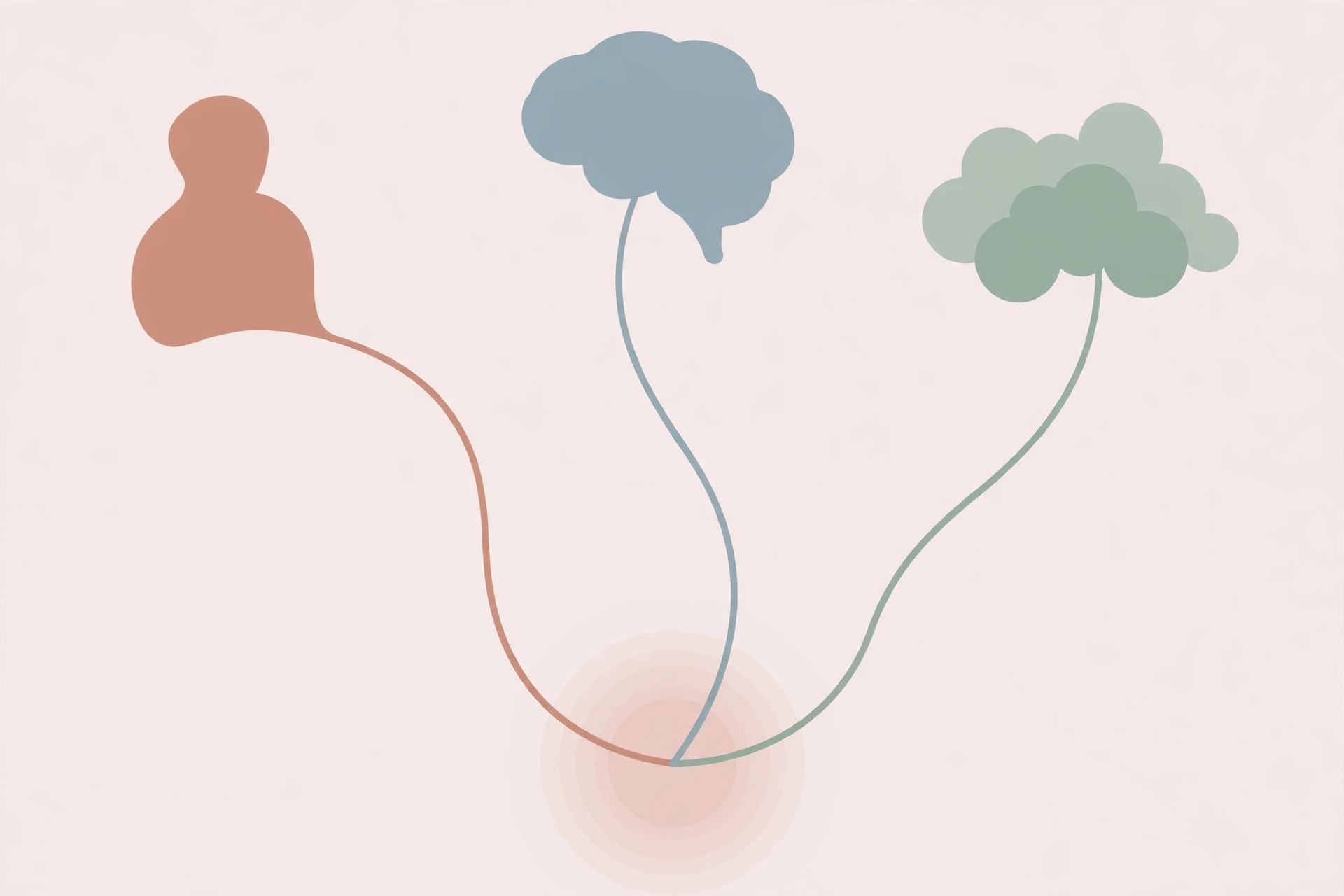
The theories of emotion disagree about a simple question: what comes first — the feeling, the bodily change, or the …
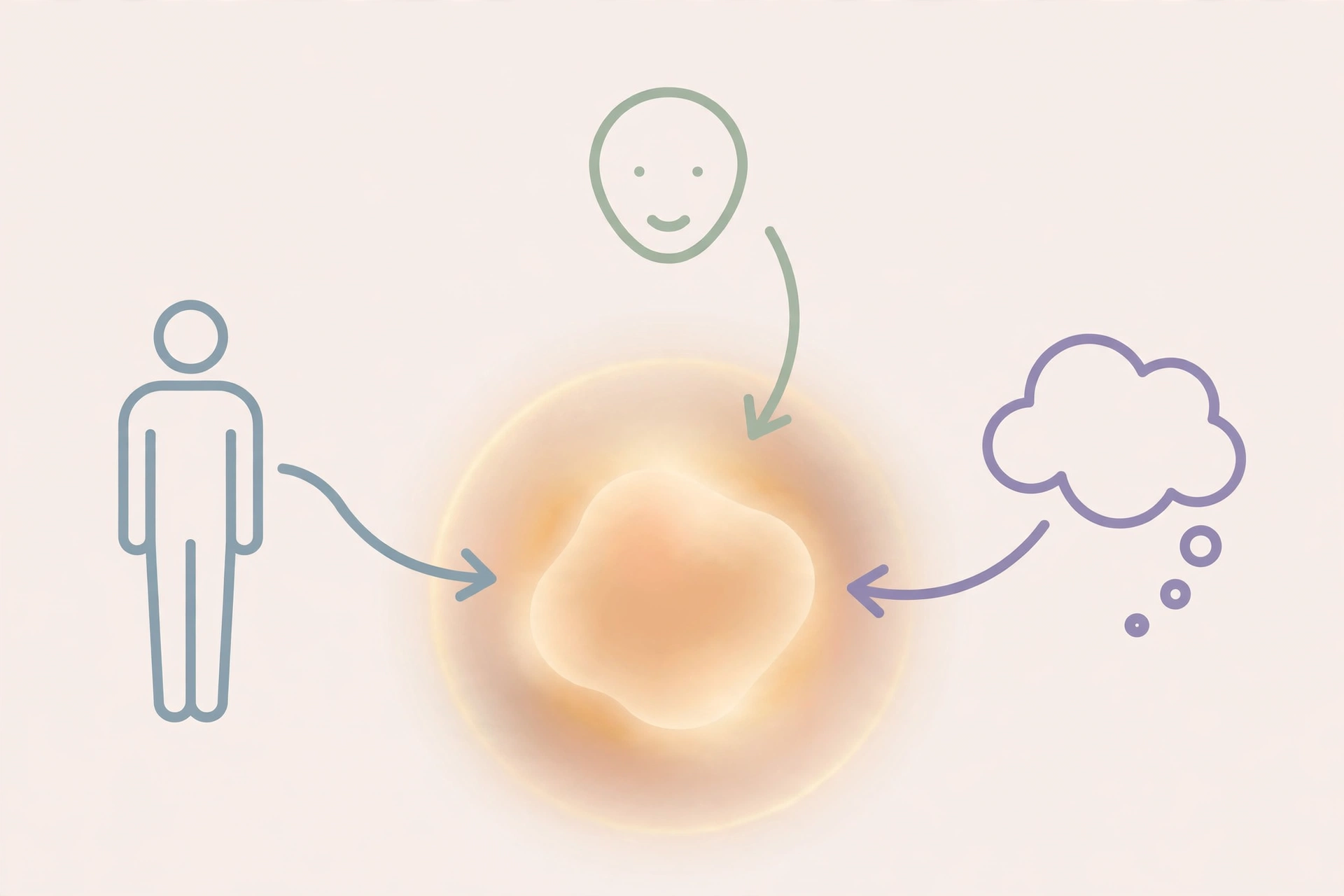
An emotion is a short, coordinated response to something that matters to you: a situation is appraised as relevant to …
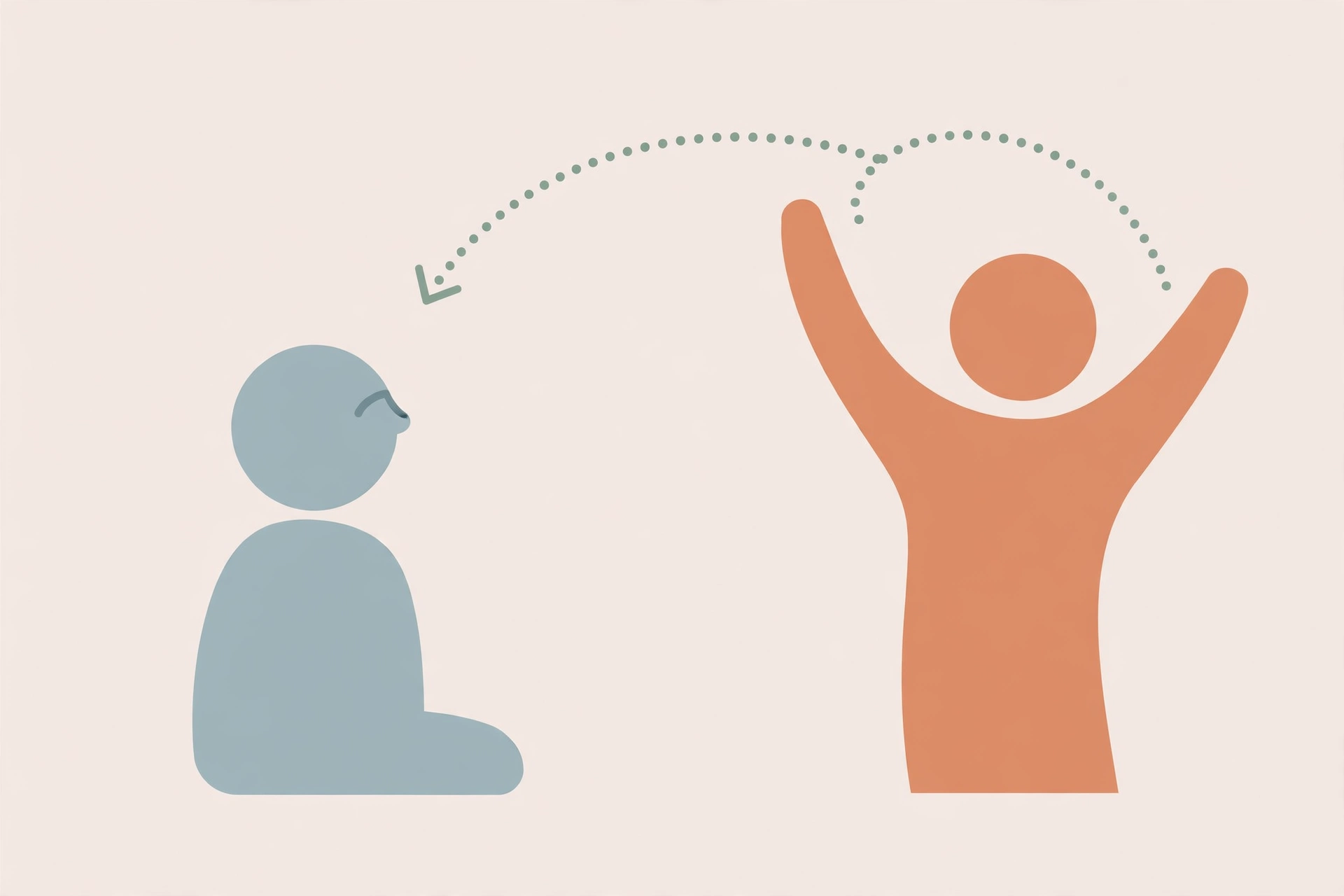
Observational learning is learning by watching: you pick up a behavior by seeing someone else perform it, without having to …
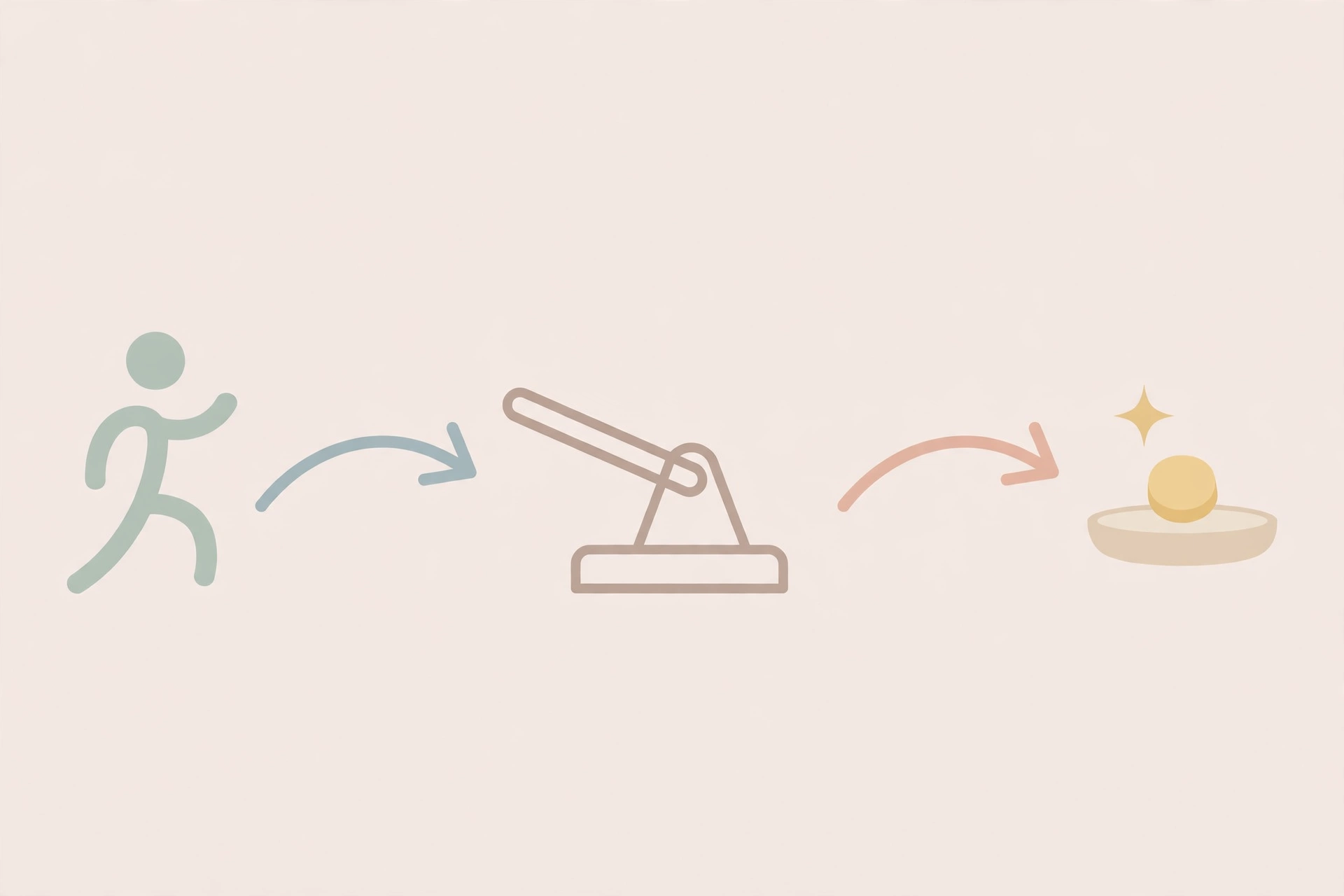
Operant conditioning is learning from consequences: behaviors followed by rewards tend to recur, behaviors followed by punishments or by nothing …
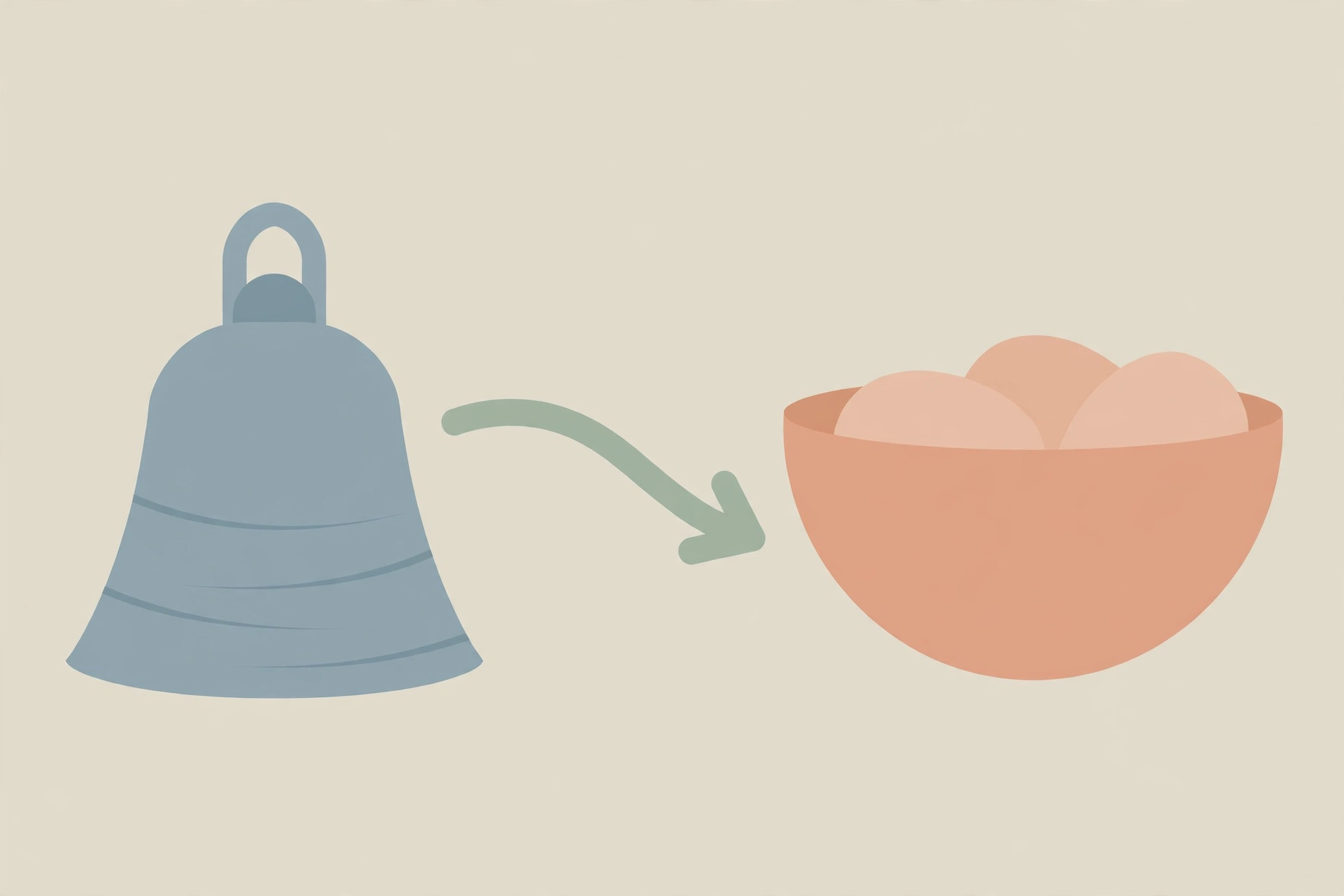
Classical conditioning is learning by association: when two stimuli repeatedly occur together, the mind learns that one predicts the other, …
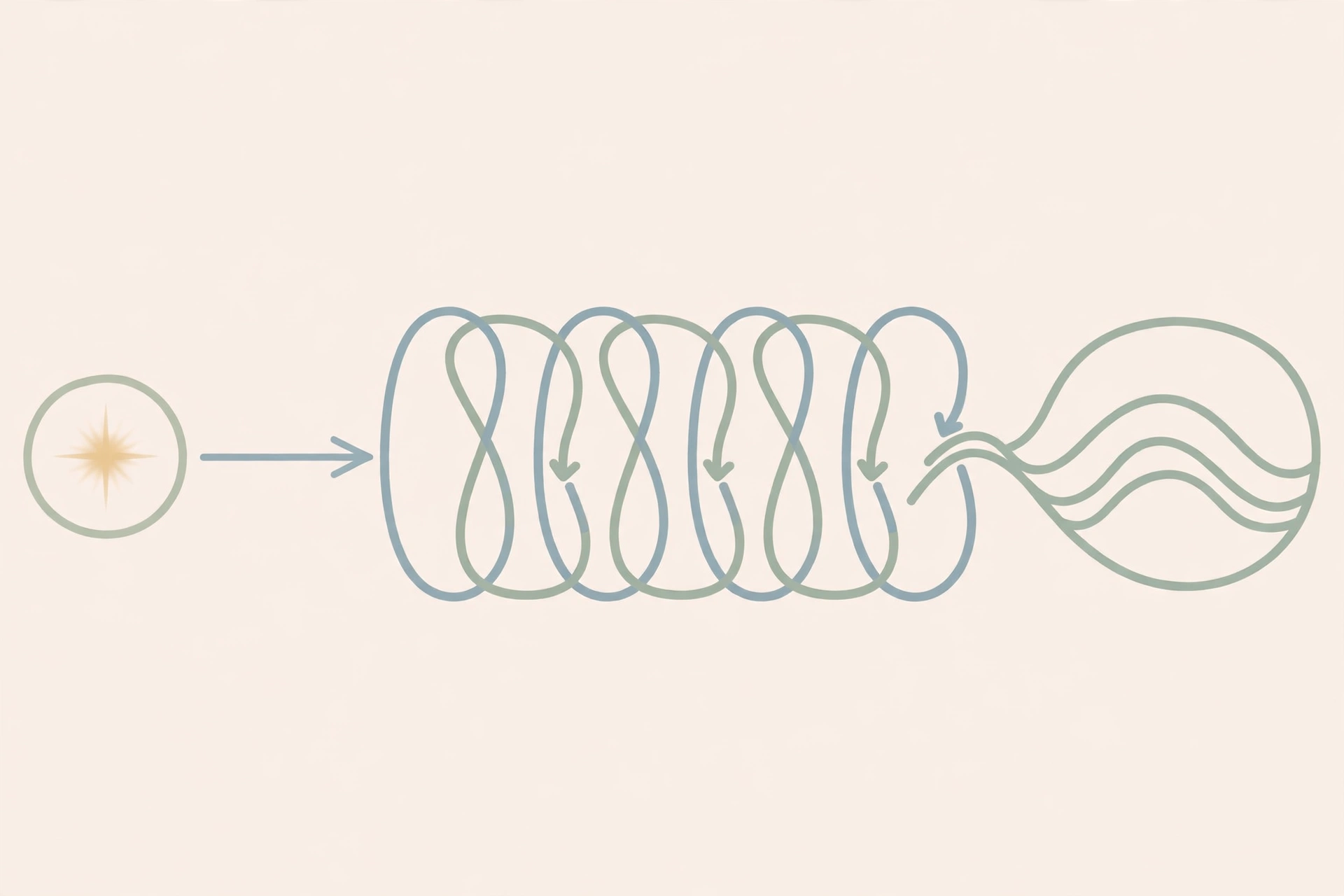
Behavioral psychology is the study of how behavior is learned — how experience, consequences, and the environment shape what people …

Negativity bias is the tendency for negative events, information, and emotions to affect you more strongly than positive or neutral …

The halo effect is what happens when one striking quality of a person colours your judgment of everything else about …