Skip to content
Psychology Connections
  • Psychology
    • Personality Psychology
    • Relationships
    • Cognitive Psychology
    • Behavioral Psychology
    • Emotions
    • Social Psychology
    • Attachment Psychology
  • Quizzes & Tests
    • Personality Quizzes
    • Emotional Intelligence Tests
    • Psychology Tests
    • Relationship Quizzes
  • Books
    • Best Psychology Books
    • Book Reviews
    • Book Summaries
  • Dictionary
    • Concepts
    • Terms
    • Theories & Models
  • About
  • Contact

Psychology

Explore Psychology

Six core areas, each one a rabbit hole of ideas, quizzes, and books.

Personality

Traits, types, and the Big Five — what makes you, you.

Explore →

Relationships

Attachment, love, and the psychology of connection.

Explore →

Cognitive Psychology

Biases, memory, and how your mind really decides.

Explore →

Behavioral Psychology

Habits, motivation, and why we do what we do.

Explore →

Emotions

Emotional intelligence and mastering your inner world.

Explore →

Social Psychology

Groups, influence, and the social mind.

Explore →

Latest articles in Psychology:

Abstract diagram of two soft shapes moving toward each other across a gradient field, illustrating the psychology of attraction.

The Psychology of Attraction: What Draws People Together

Attraction is the pull toward another person — wanting to spend time with them, talk to them, be near them. …

Read More →

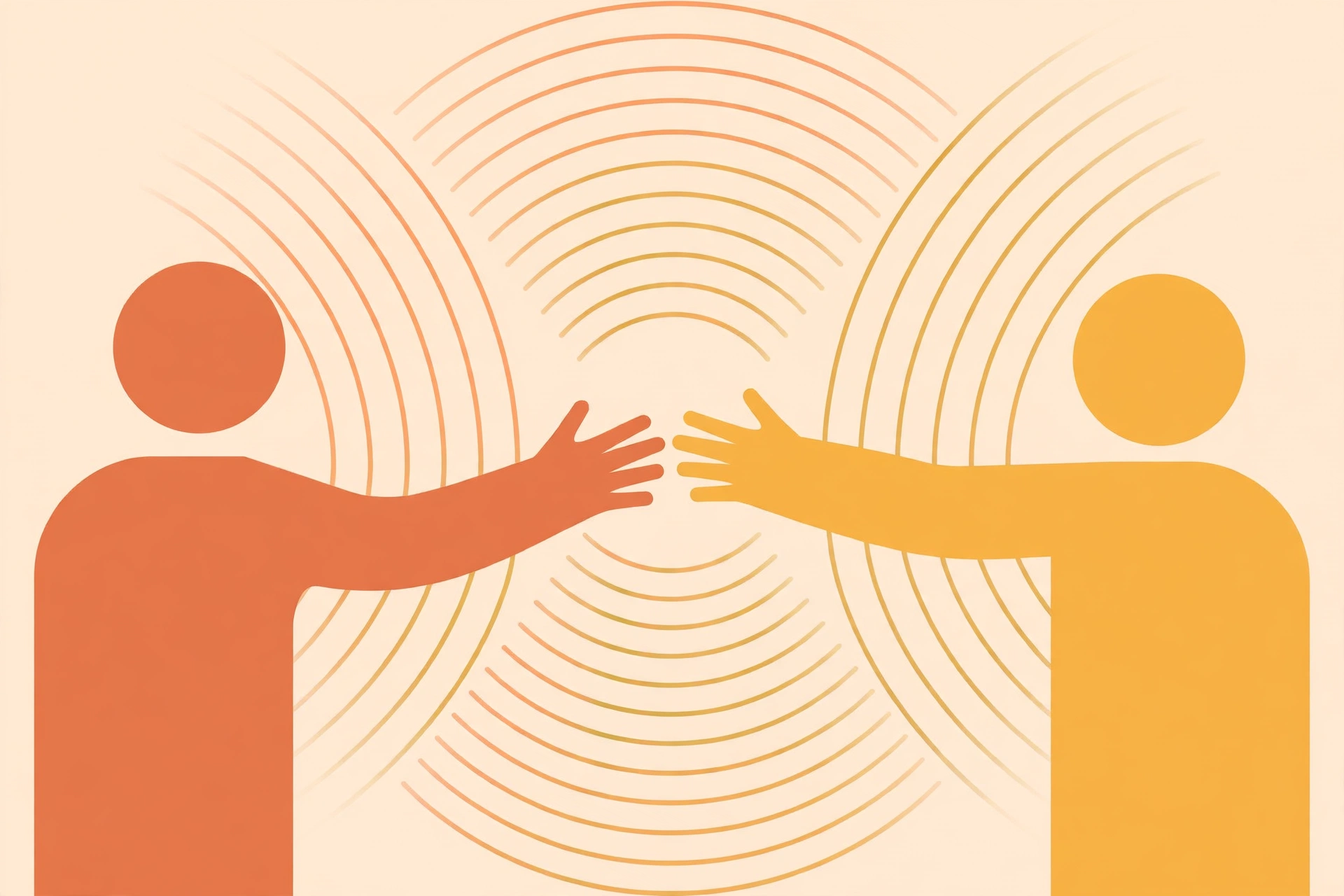
Abstract diagram of one figure extending a hand toward another, illustrating helping and prosocial behavior

Prosocial Behavior: Why People Help Others

Prosocial behavior is any action intended to benefit others — helping, sharing, comforting, cooperating, or volunteering. It is one of …
Read More →

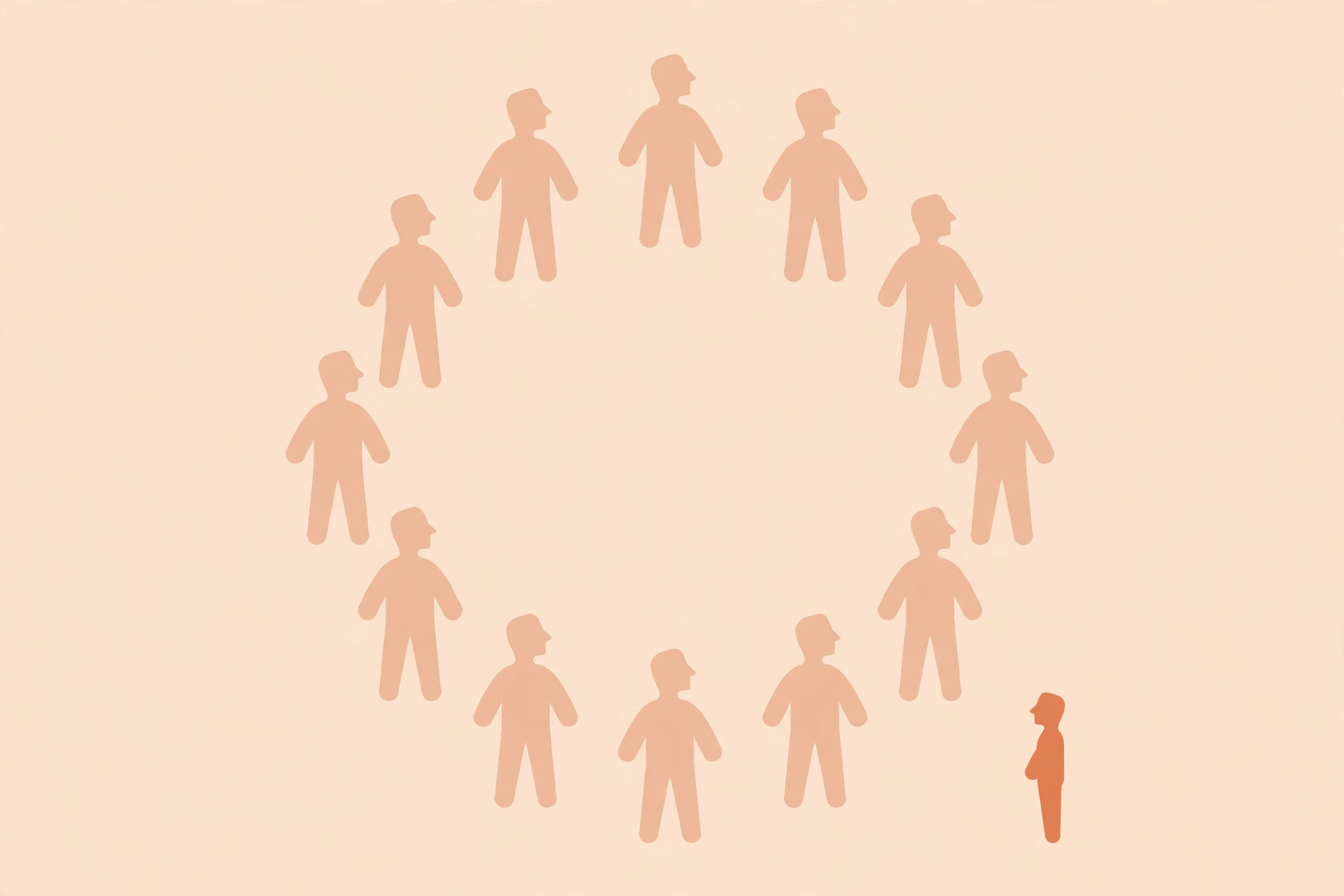
Abstract diagram of figures facing one direction with one figure facing the opposite way, illustrating groupthink and dissent

Groupthink: When Smart Groups Make Bad Decisions

Groupthink is what happens when a group’s desire for agreement overrides its desire to make a good decision. Irving Janis …

Read More →

Abstract diagram of one action with arrows pointing to a person and to a situation, illustrating attribution

Attribution Theory: How We Explain Other People’s Behavior

Attribution theory studies how we explain behavior — our own and other people’s. When a colleague snaps at you, do …

Read More →

Abstract diagram of two groups of circles in different colors with a shared overlap, illustrating in-groups, out-groups, and social identity

Social Identity Theory: Us, Them, and Belonging

Social identity theory explains a puzzle: why do people favor their own group and distrust other groups, even when the …
Read More →

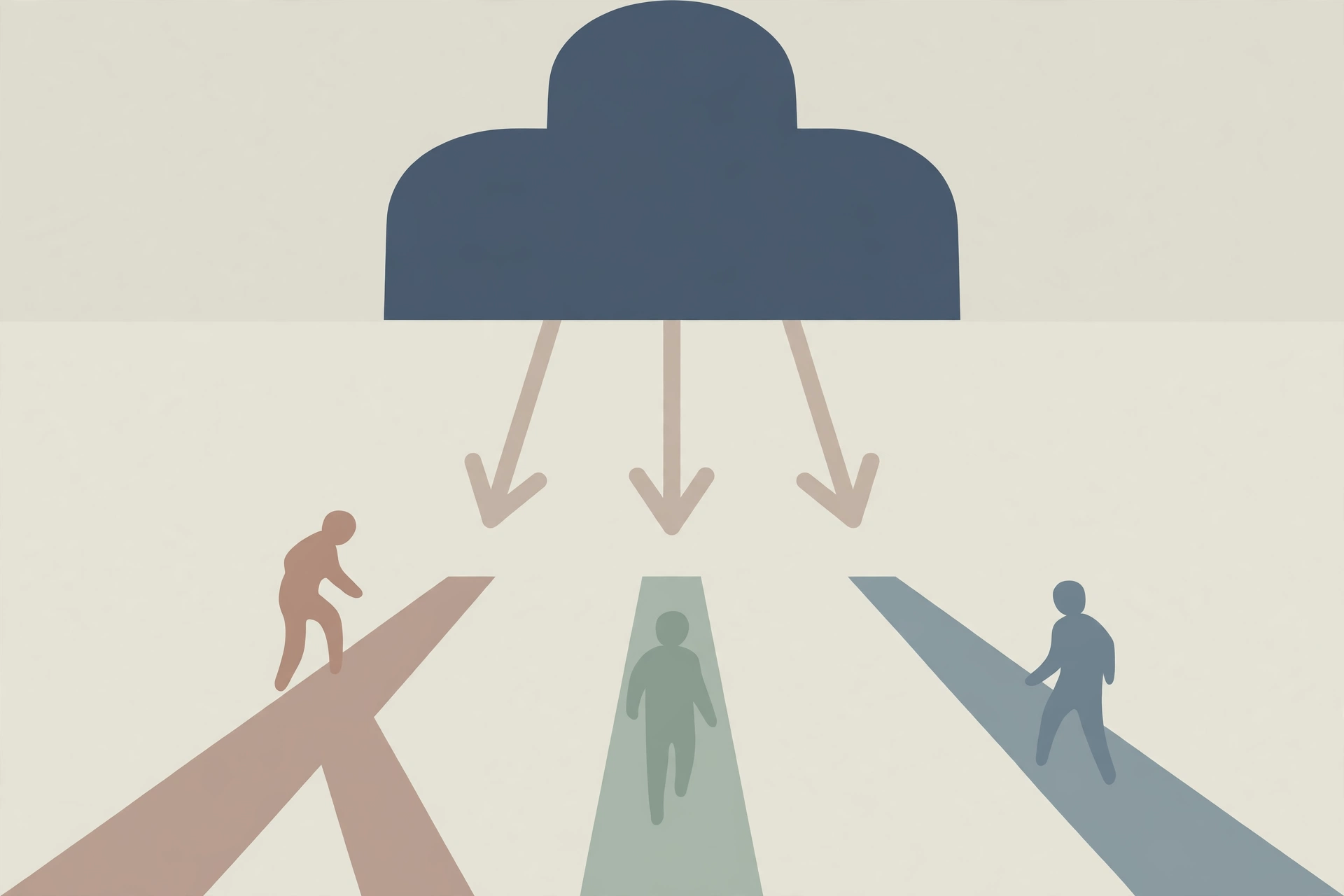
Abstract diagram of a large authority figure with arrows toward smaller figures, one hesitating at a fork, illustrating obedience to authority

Obedience to Authority: What Milgram’s Experiments Revealed

Obedience to authority is following orders from someone perceived as an authority figure. Stanley Milgram’s experiments in the 1960s made …
Read More →

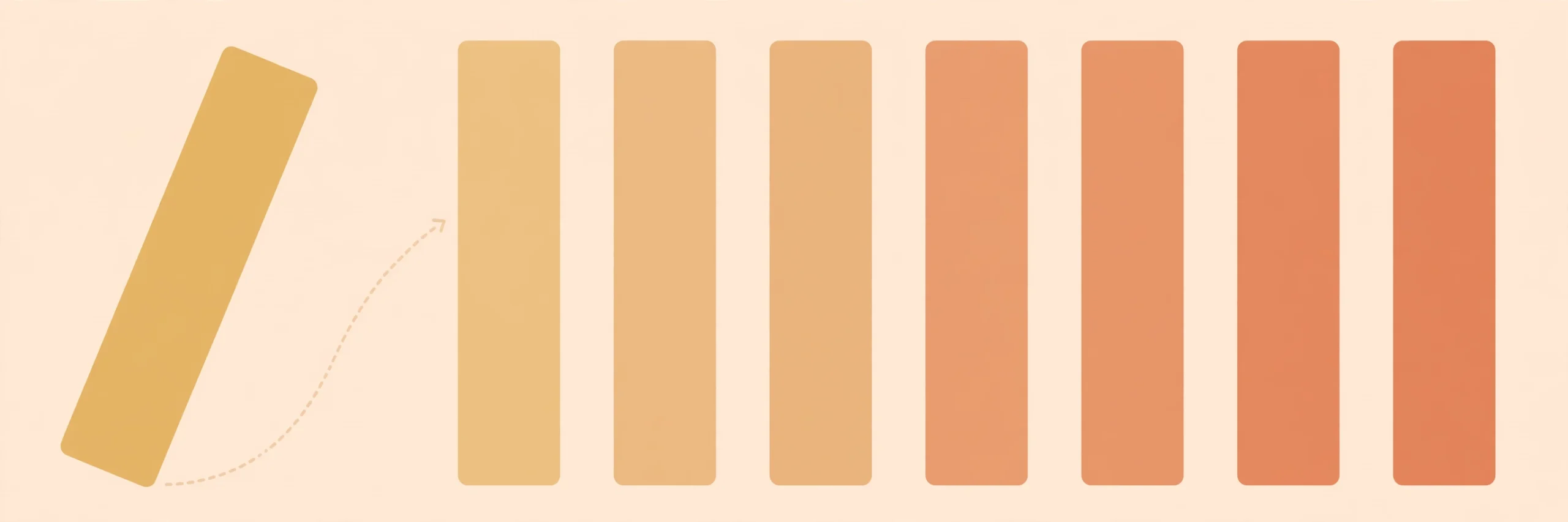
Abstract diagram of a row of bars with one bar aligning to the rest, illustrating conformity to a group

Conformity: Why We Go Along With the Group

Conformity is changing your behavior or beliefs to match those of a group. Solomon Asch demonstrated its power in the …
Read More →

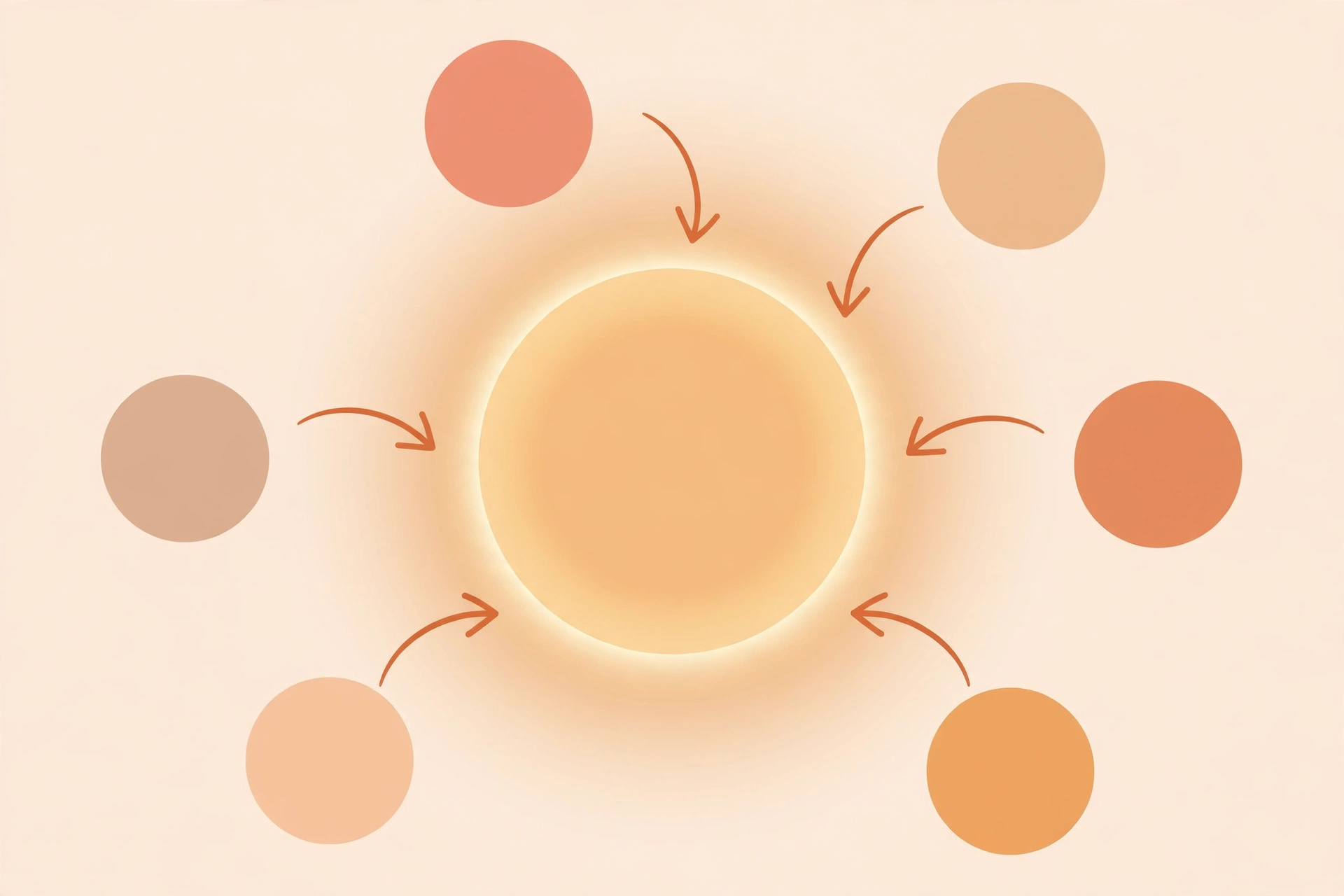
Abstract diagram of a central person surrounded by other people connected by curved arrows, illustrating how other people shape thoughts, feelings, and behavior

Social Psychology: How Other People Shape Mind and Behavior

Social psychology is the study of how other people — real, imagined, or implied — shape what we think, feel, …
Read More →

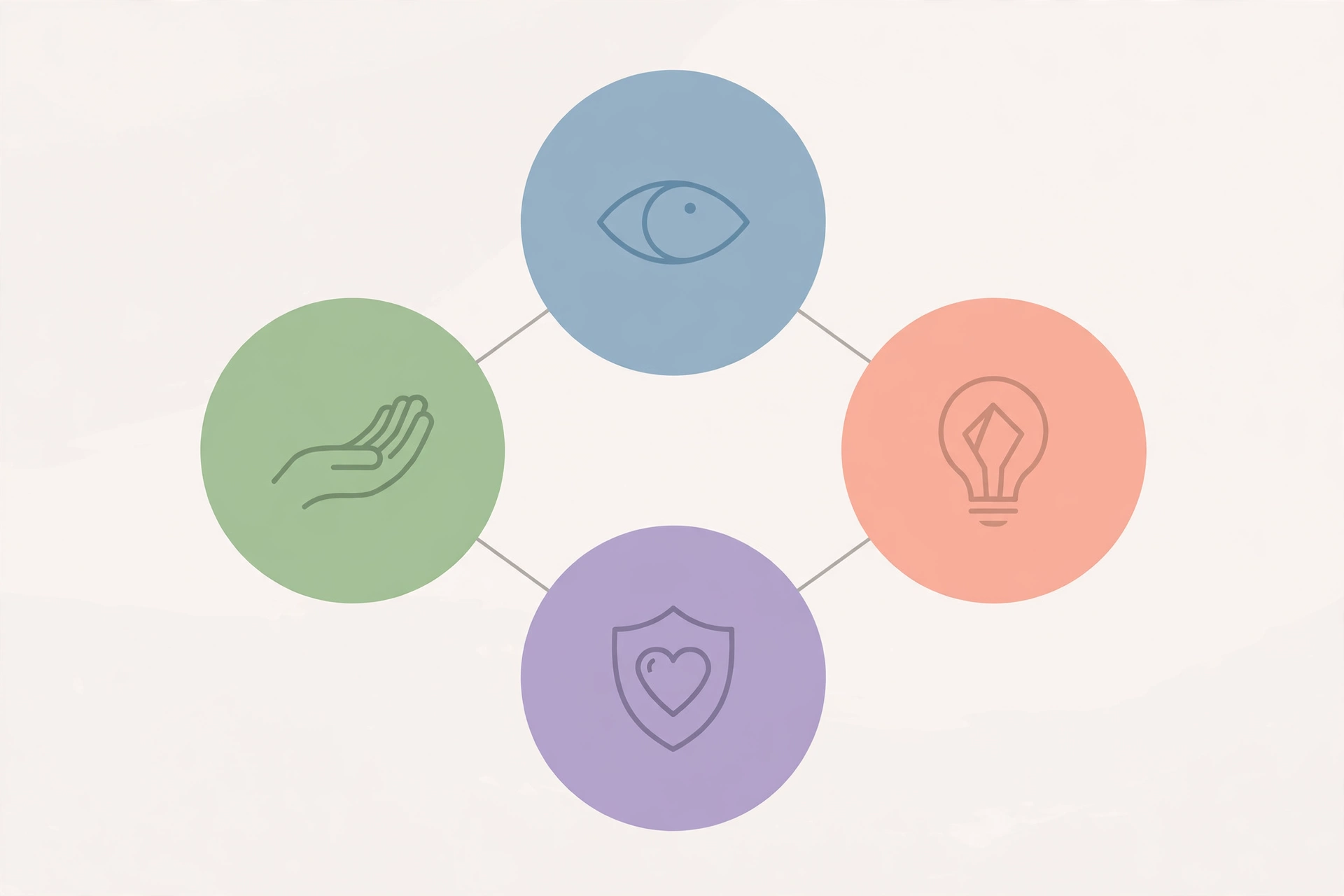
Abstract diagram of four connected circles showing perceiving, using, understanding, and managing emotions as linked abilities, illustrating emotional intelligence

Emotional Intelligence: What It Is, What It Isn’t, and What the Evidence Says

Emotional intelligence is two different things sharing one name, and most confusion about it comes from mixing them up. In …
Read More →

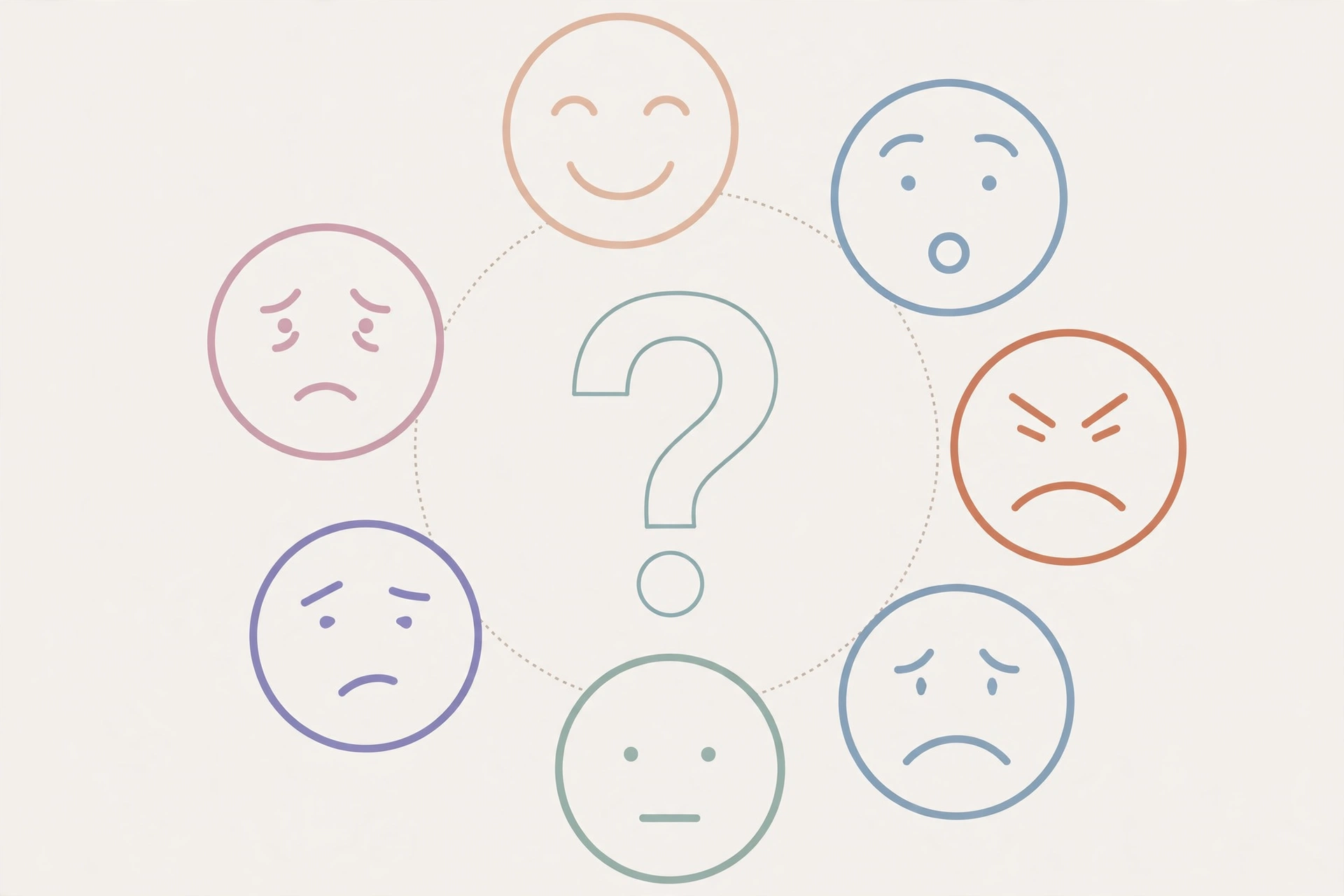
Abstract diagram of several simple face outlines showing different expressions arranged around a central question mark shape, illustrating facial expressions and emotion

Facial Expressions and Emotion: What Faces Really Show

Faces are the most studied channel of emotional communication, and the most overclaimed. The classic finding is that some facial …

Read More →

Older posts
Newer posts
← Previous Page1 … Page3 Page4 Page5 … Page11 Next →

Recent Posts

  • Abstract diagram of colourful building blocks and shapes in playful arrangement, illustrating children's play.Why Children Play: The Psychology of Play
  • Abstract diagram of small stepping stones rising in a sequence, illustrating developmental milestones in childhood.Developmental Milestones in Childhood: What to Know
  • Abstract diagram of a tree with deep roots and wide branches in warm autumn tones, illustrating aging and accumulated experience.The Psychology of Aging: What Research Finds
  • Abstract diagram of a young tree branching in many directions, illustrating identity and growth in adolescence.Adolescence: What Psychology Knows
  • Abstract diagram of four quadrants formed by two crossing axes, illustrating the four parenting styles.Parenting Styles: What Research Says
  • Abstract diagram of three ascending levels with six steps, illustrating Kohlberg's stages of moral development.Kohlberg’s Stages of Moral Development Explained
  • About
  • Contact
  • Privacy Policy
  • Terms of Service
  • Disclaimer
© 2026 psychologyconnections All Rights Reserved.