Skip to content
Psychology Connections
  • Psychology
    • Personality Psychology
    • Relationships
    • Cognitive Psychology
    • Behavioral Psychology
    • Emotions
    • Social Psychology
    • Attachment Psychology
  • Quizzes & Tests
    • Personality Quizzes
    • Emotional Intelligence Tests
    • Psychology Tests
    • Relationship Quizzes
  • Books
    • Best Psychology Books
    • Book Reviews
    • Book Summaries
  • Dictionary
    • Concepts
    • Terms
    • Theories & Models
  • About
  • Contact

Psychology

Explore Psychology

Six core areas, each one a rabbit hole of ideas, quizzes, and books.

Personality

Traits, types, and the Big Five — what makes you, you.

Explore →

Relationships

Attachment, love, and the psychology of connection.

Explore →

Cognitive Psychology

Biases, memory, and how your mind really decides.

Explore →

Behavioral Psychology

Habits, motivation, and why we do what we do.

Explore →

Emotions

Emotional intelligence and mastering your inner world.

Explore →

Social Psychology

Groups, influence, and the social mind.

Explore →

Latest articles in Psychology:

Abstract diagram contrasting a brief sharp spike with a long gentle rolling background wave, illustrating the difference between emotions and moods

Emotions vs. Moods: What’s the Difference?

Emotions and moods are both feelings, but they are different kinds of feeling. An emotion is a brief, intense response …

Read More →

Abstract diagram of a large wave being gently guided into a calmer channel by a hand-like curve, illustrating emotion regulation

Emotion Regulation: How People Manage What They Feel

Emotion regulation is the set of processes by which people influence which emotions they have, when they have them, and …
Read More →

Abstract diagram of three different paths — one from the body, one from the brain, one from thought — all leading to the same feeling, illustrating competing theories of emotion

Theories of Emotion: James-Lange, Cannon-Bard, Schachter-Singer, and Beyond

The theories of emotion disagree about a simple question: what comes first — the feeling, the bodily change, or the …
Read More →

Abstract diagram of a central warm glowing feeling with arrows from the body, the face, and thought converging on it, illustrating the psychology of emotions

The Psychology of Emotions: What Feelings Are and Why They Matter

An emotion is a short, coordinated response to something that matters to you: a situation is appraised as relevant to …
Read More →

Abstract diagram of one figure watching another figure perform an action, with a dotted arrow showing the observed action being copied, illustrating observational learning

Observational Learning: How Watching Others Teaches Us

Observational learning is learning by watching: you pick up a behavior by seeing someone else perform it, without having to …
Read More →

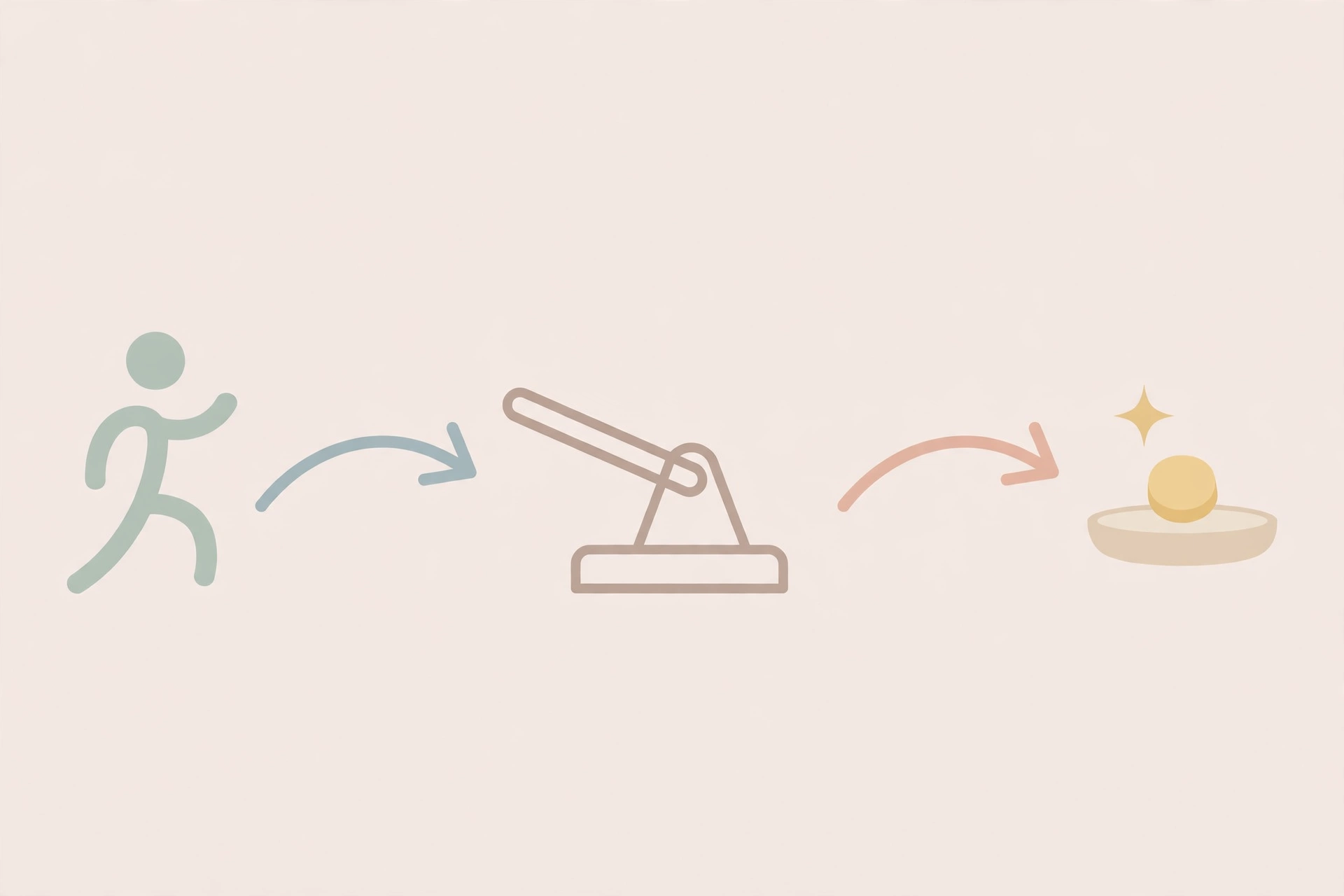
Abstract diagram of a lever beside a small reward, with arrows showing a behavior followed by a consequence, illustrating operant conditioning

Operant Conditioning: How Consequences Shape Behavior

Operant conditioning is learning from consequences: behaviors followed by rewards tend to recur, behaviors followed by punishments or by nothing …
Read More →

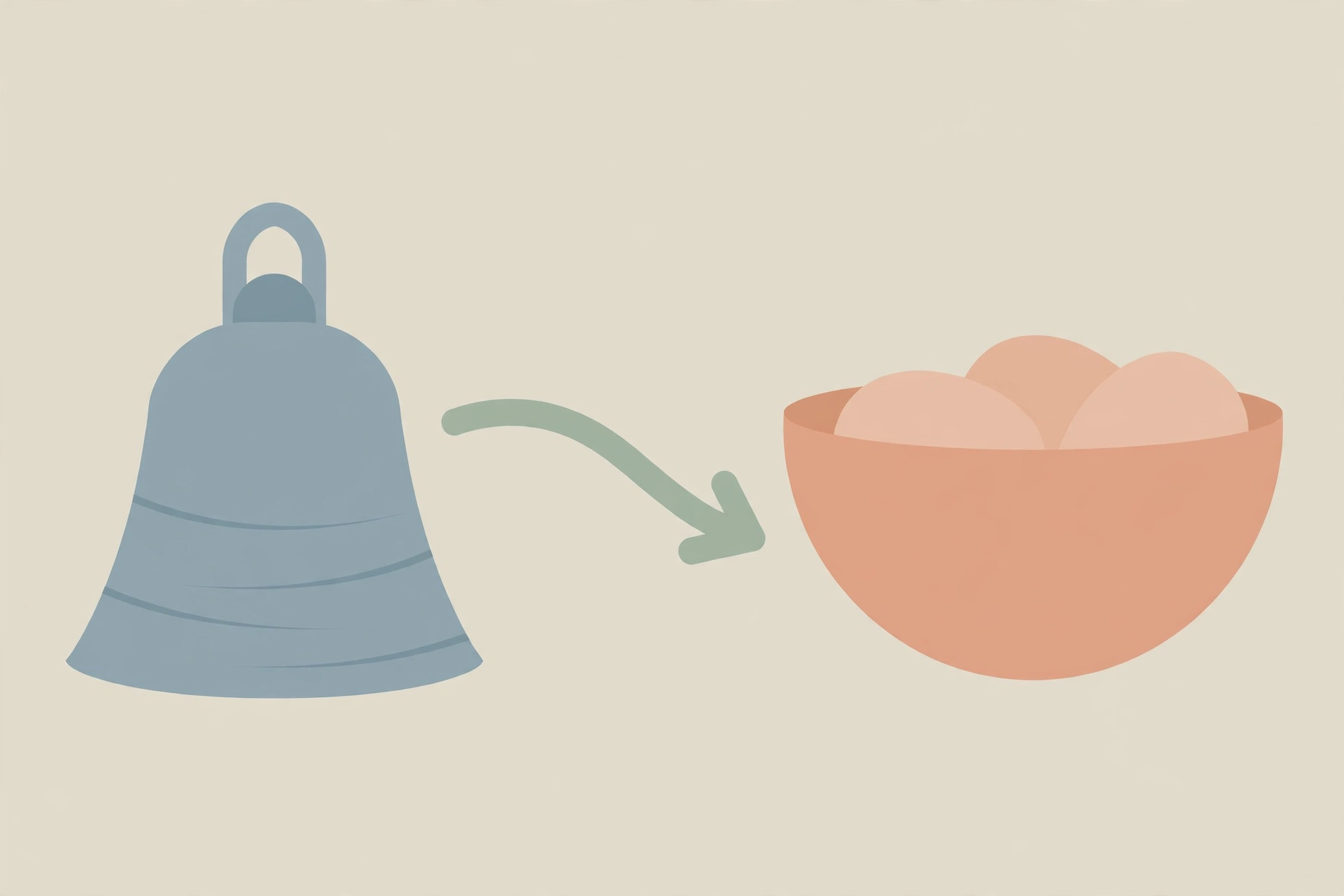
Abstract diagram of a bell beside a bowl, with a soft arrow showing one signal coming to predict another, illustrating classical conditioning

Classical Conditioning: How Association Creates Learning

Classical conditioning is learning by association: when two stimuli repeatedly occur together, the mind learns that one predicts the other, …
Read More →

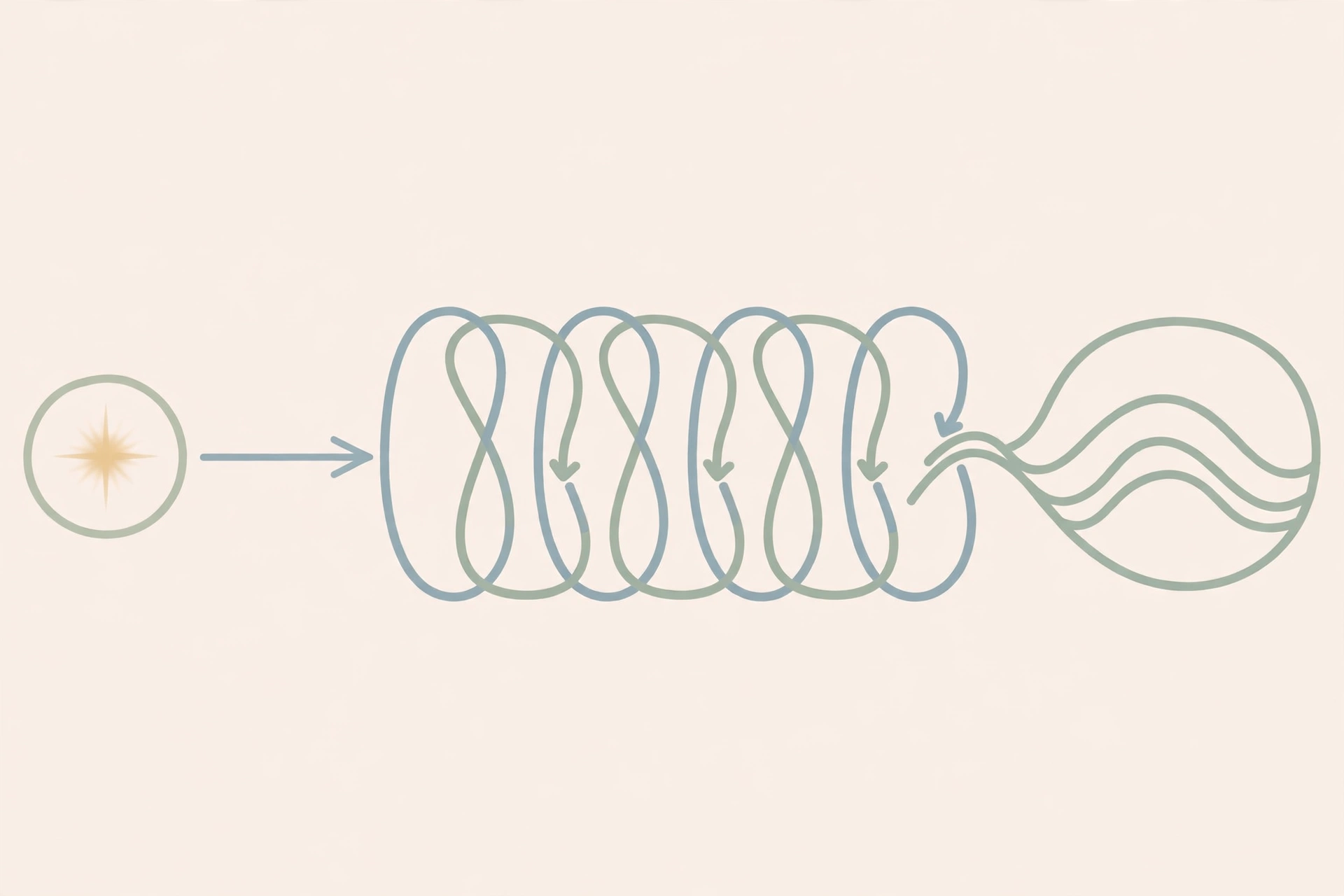
Abstract diagram of a stimulus arrow leading through repeated pathways to a changed behavior pattern, illustrating learning in behavioral psychology

Behavioral Psychology: How Learning Shapes Behavior

Behavioral psychology is the study of how behavior is learned — how experience, consequences, and the environment shape what people …

Read More →

Abstract diagram of a balance scale tipped by one small dark stone against several larger light stones, illustrating negativity bias

Negativity Bias: Why Bad News Sticks

Negativity bias is the tendency for negative events, information, and emotions to affect you more strongly than positive or neutral …

Read More →

Abstract diagram of a single glowing trait casting coloured light over surrounding traits, illustrating the halo effect in social judgment

The Halo Effect: How One Trait Colours Everything Else

The halo effect is what happens when one striking quality of a person colours your judgment of everything else about …

Read More →

Older posts
Newer posts
← Previous Page1 … Page4 Page5 Page6 … Page11 Next →

Recent Posts

  • Abstract diagram of colourful building blocks and shapes in playful arrangement, illustrating children's play.Why Children Play: The Psychology of Play
  • Abstract diagram of small stepping stones rising in a sequence, illustrating developmental milestones in childhood.Developmental Milestones in Childhood: What to Know
  • Abstract diagram of a tree with deep roots and wide branches in warm autumn tones, illustrating aging and accumulated experience.The Psychology of Aging: What Research Finds
  • Abstract diagram of a young tree branching in many directions, illustrating identity and growth in adolescence.Adolescence: What Psychology Knows
  • Abstract diagram of four quadrants formed by two crossing axes, illustrating the four parenting styles.Parenting Styles: What Research Says
  • Abstract diagram of three ascending levels with six steps, illustrating Kohlberg's stages of moral development.Kohlberg’s Stages of Moral Development Explained
  • About
  • Contact
  • Privacy Policy
  • Terms of Service
  • Disclaimer
© 2026 psychologyconnections All Rights Reserved.