Personality Types Explained: MBTI, Enneagram & More
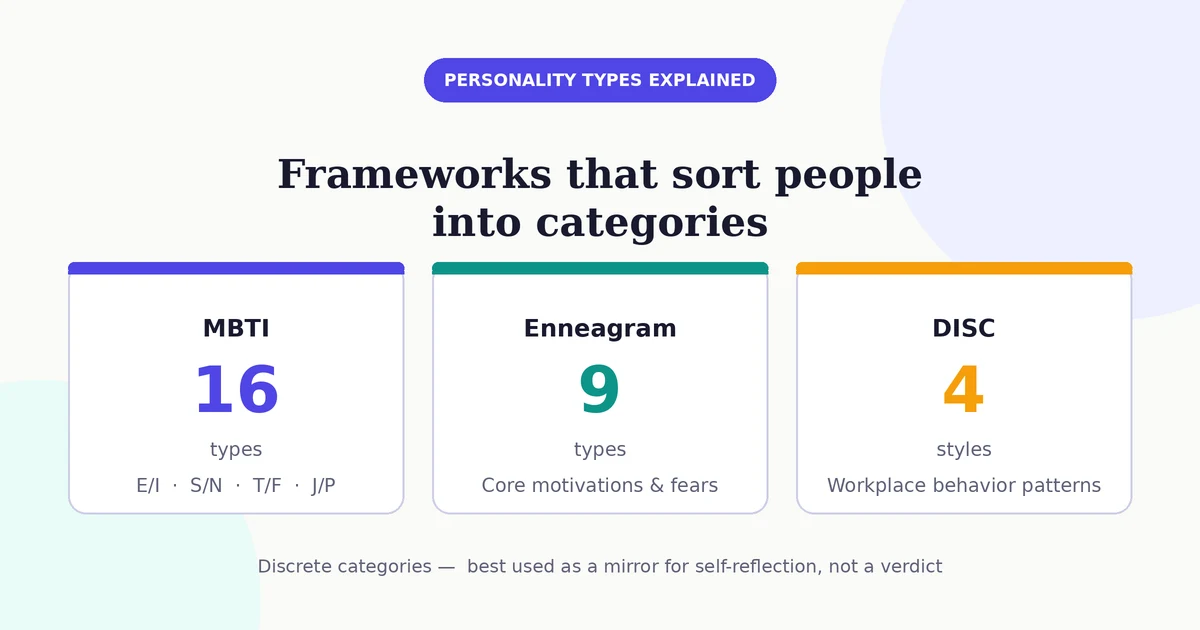
A personality type framework sorts people into discrete categories. Take the MBTI and you come out as one of 16 …

 Waqar
A personality type framework sorts people into discrete categories. Take the MBTI and you come out as one of 16 …
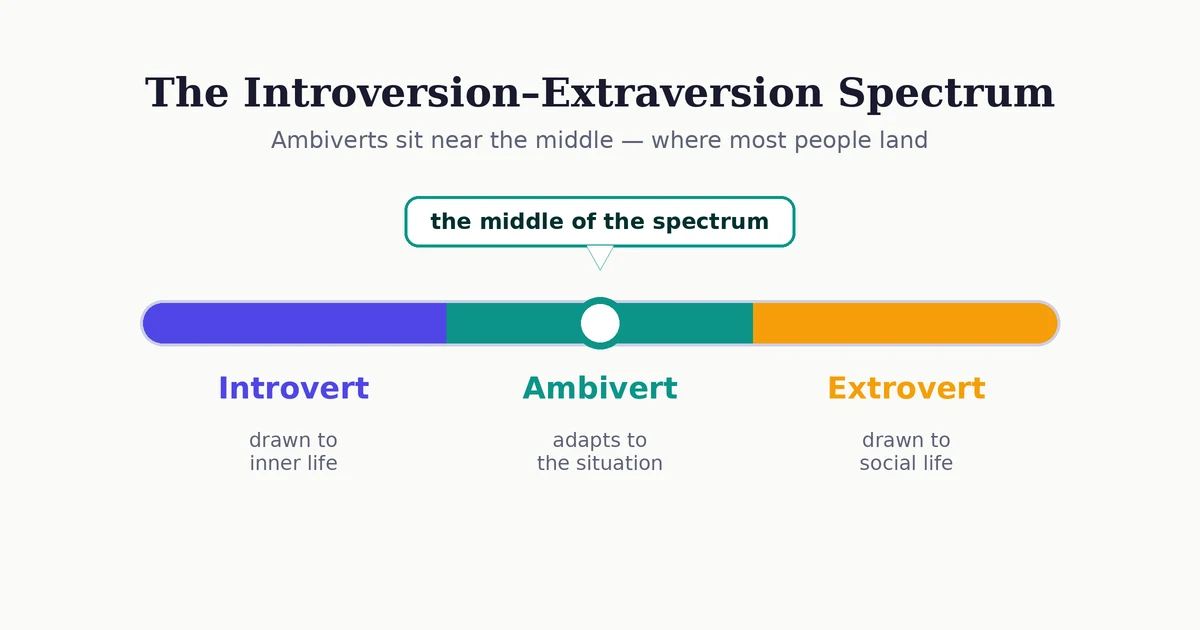
An ambivert is someone who sits near the middle of the introversion–extraversion spectrum — a person with a balance of …
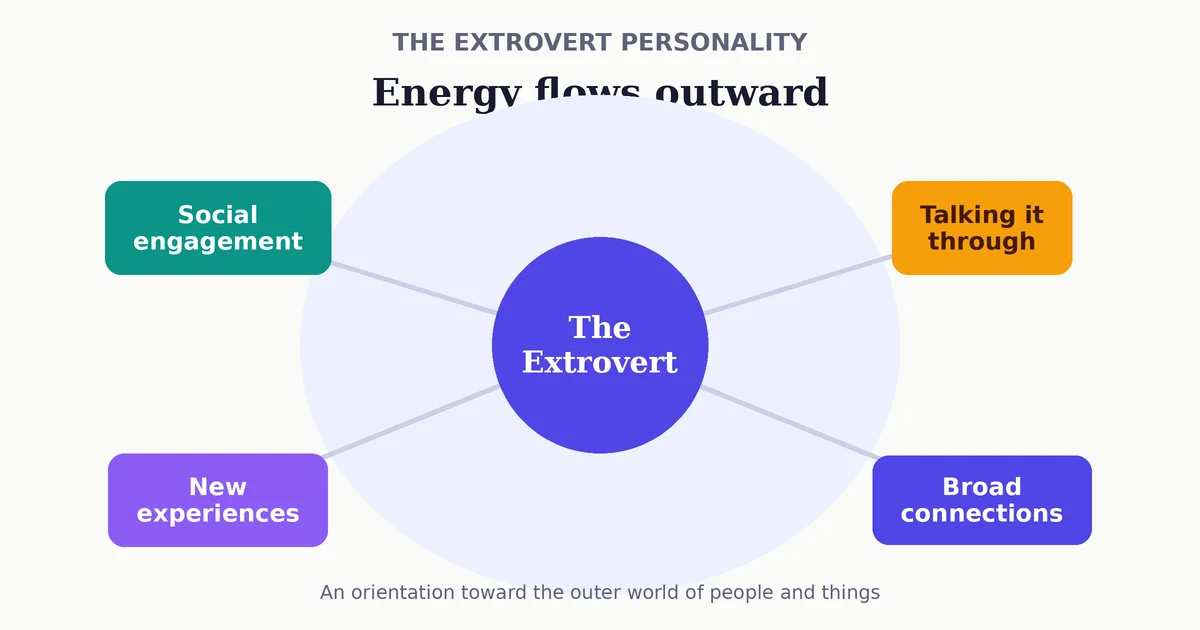
An extrovert is someone whose energy and attention naturally point outward — toward people, activities, conversation, and the buzz of …
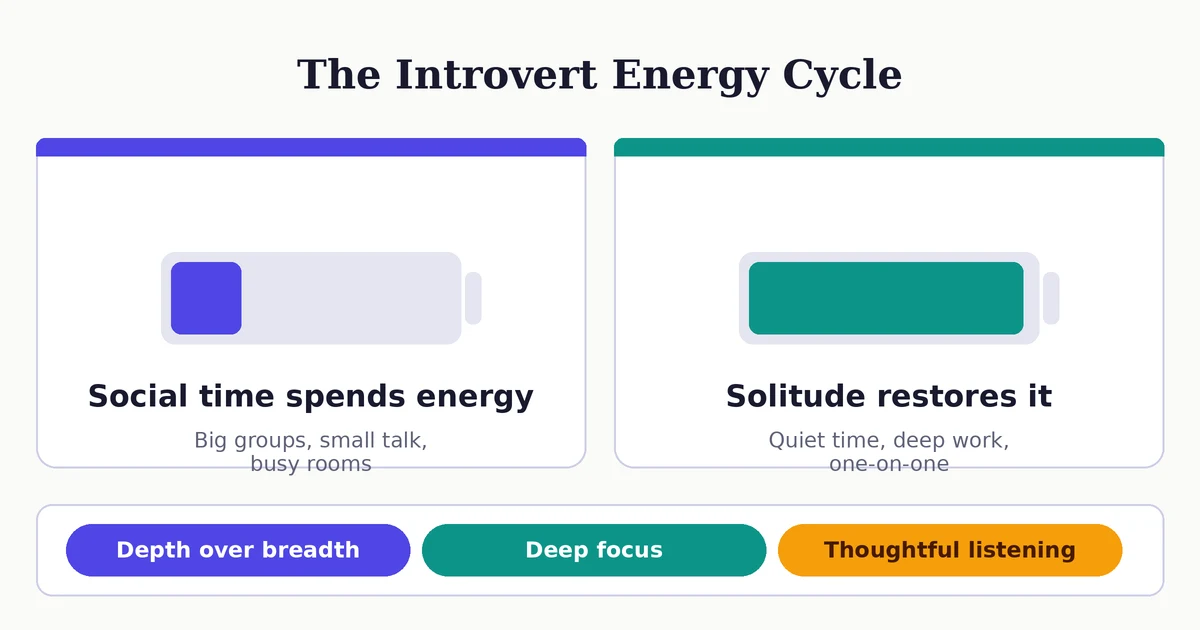
An introvert personality describes someone who is oriented toward their inner world — their thoughts, feelings, and ideas — rather …
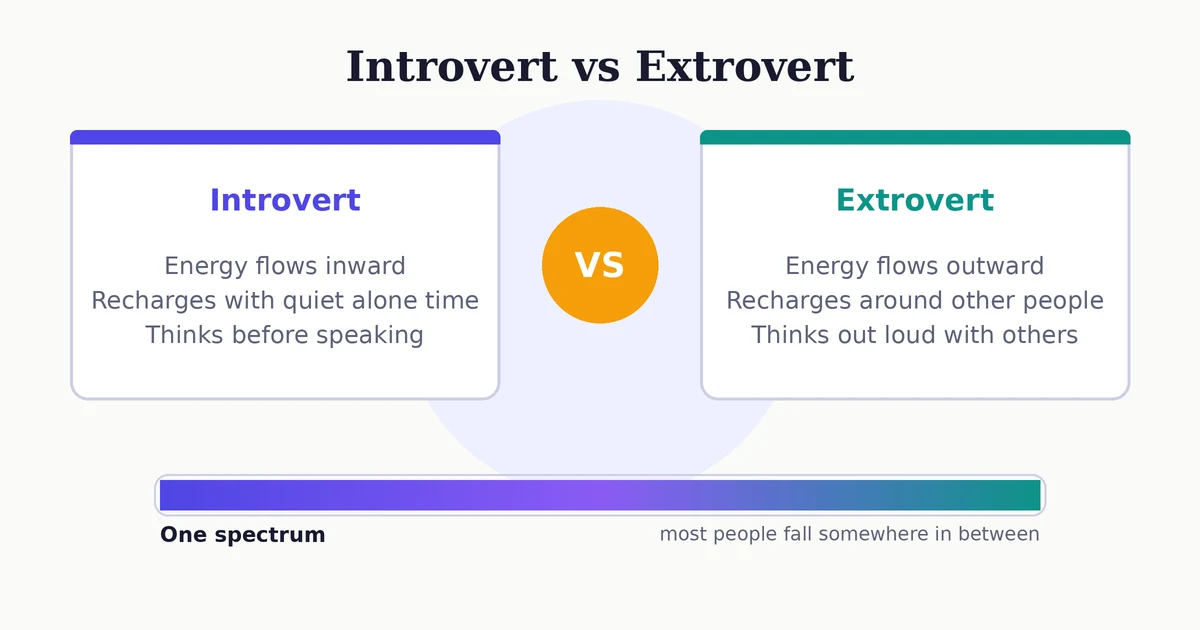
The real difference between introverts and extroverts isn’t shyness versus confidence — it’s orientation. An introvert’s energy flows inward, toward …
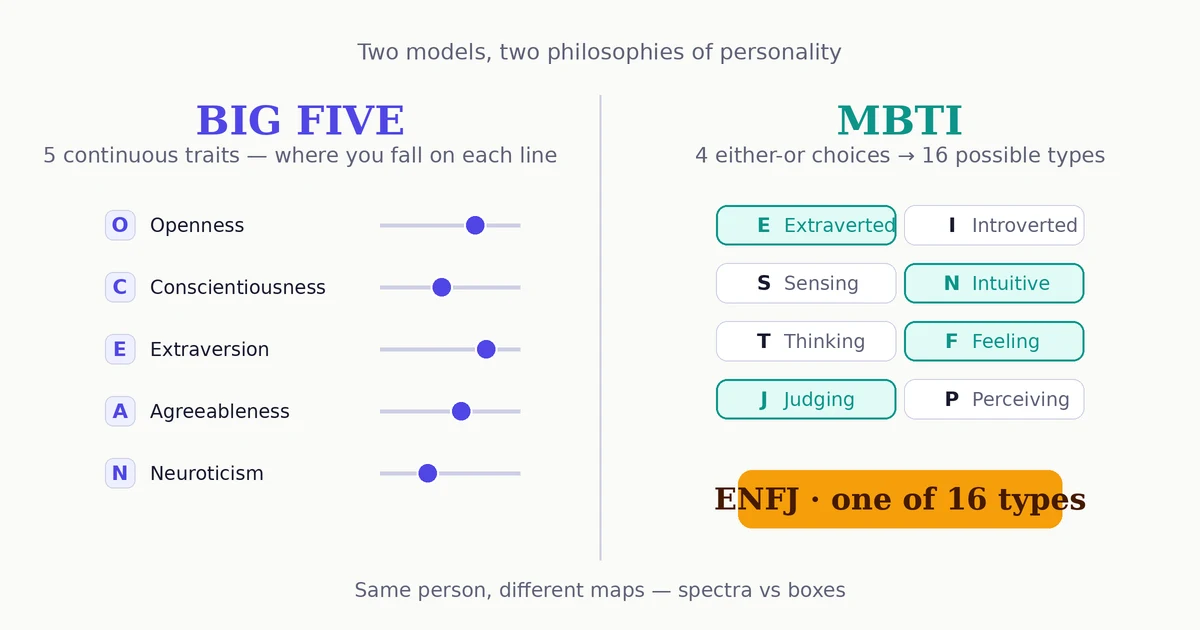
The Big Five describes your personality as five continuous traits — openness, conscientiousness, extraversion, agreeableness, and neuroticism. MBTI sorts you …
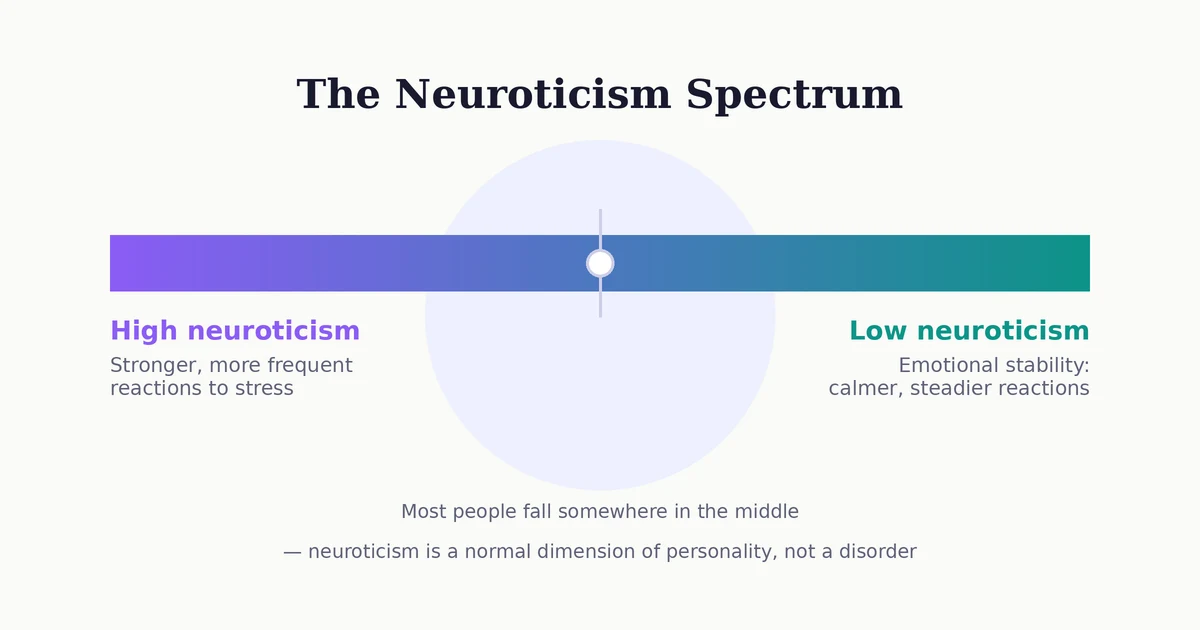
Neuroticism is the personality trait that describes how strongly a person reacts to life’s challenges with negative emotions — worry, …
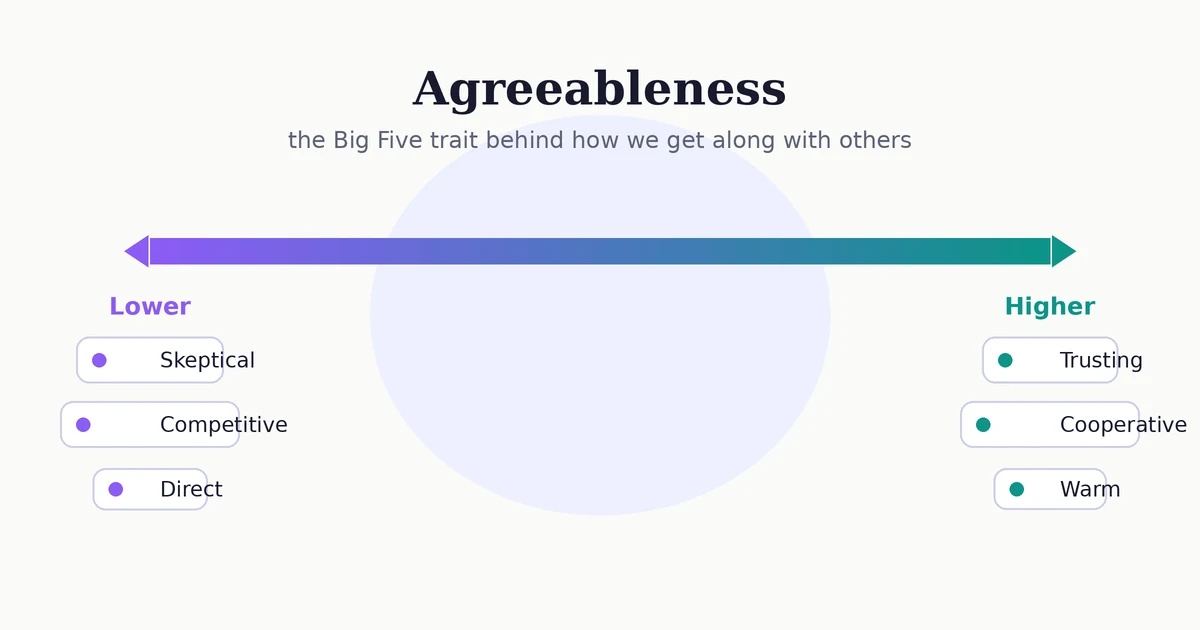
Agreeableness is the personality trait behind how warmly and cooperatively we deal with other people. If you’ve ever wondered why …
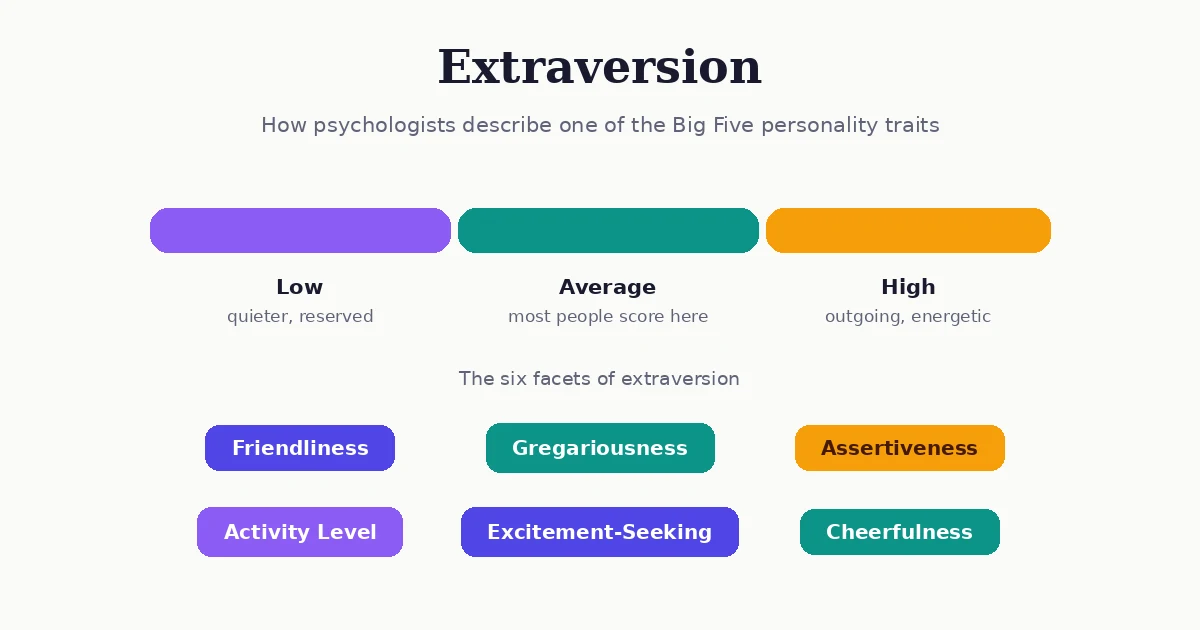
Extraversion is one of the five broad personality traits psychologists use to describe how people differ. In simple terms, it …
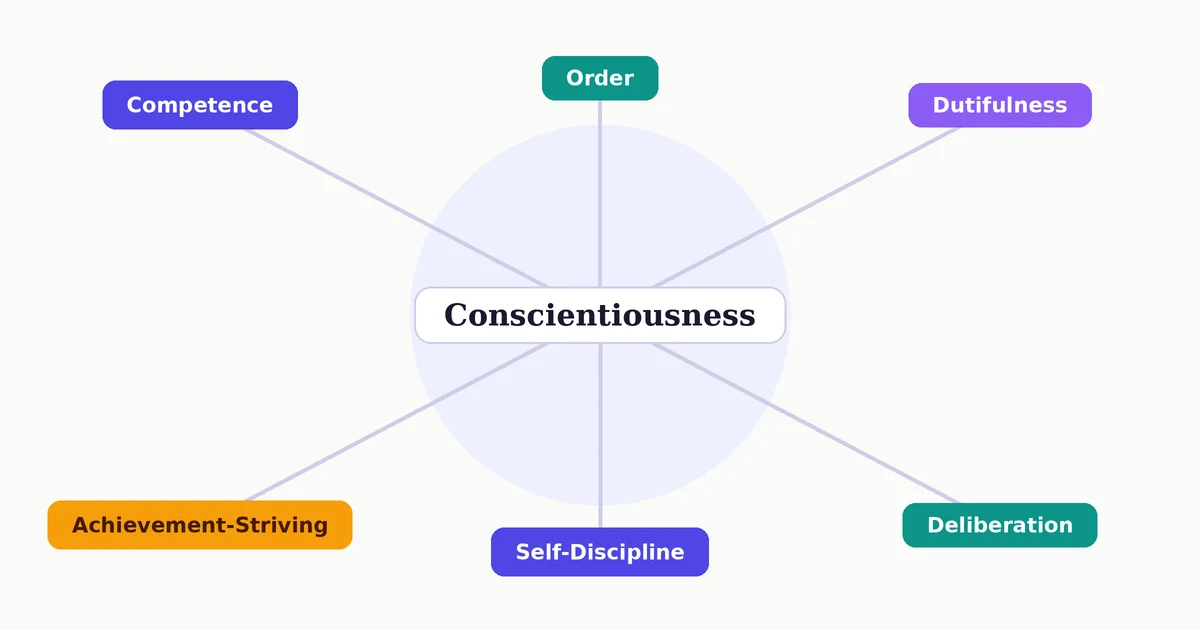
Conscientiousness is the personality trait of being responsible, careful, and diligent — the tendency to be organized, self-disciplined, and driven …